Every business in London generates waste. Whether you run a busy restaurant in Shoreditch, a retail shop in Canary Wharf, or an office block in the City, how you manage and dispose of that waste has serious legal, financial, and environmental consequences. Get it right and you protect your business, your reputation, and your bottom line. Get it wrong and you risk significant fines, compliance failures, and reputational damage.
This guide covers everything London businesses need to know about commercial waste removal — from your legal obligations and best practices for each business type, to how to choose a reliable waste collection service and reduce your costs.
If you are specifically searching for business waste collection London, office waste disposal London, or restaurant waste management London, this page gives you practical, compliance-first steps aligned with services available across Greater London.
Quick Answers: Commercial Waste Removal London
- Do London businesses need licensed collection? Yes. Business waste must be handled by a registered waste carrier and documented with Waste Transfer Notes.
- What does business waste collection in London usually cost? Typical weekly ranges are £30 to £200+ depending on volume, waste type, and collection frequency.
- What is the fastest way to reduce disposal spend? Improve segregation, reduce contamination, and right-size collection frequency.
- Do restaurants need separate food waste streams? Yes. Food businesses are expected to separate food waste for dedicated collection.
- Which waste streams need specialist handling? WEEE, confidential documents, hazardous materials, and waste oils.
Best Service Match by Business Waste Type
Match your waste type to the right specialist service to stay compliant and control costs:
- Office furniture, IT equipment, and fit-out strip-outs: office clearance
- Routine mixed business bins for offices, shops, and restaurants: commercial waste collection
- Electrical and electronic equipment: WEEE disposal in London
- Shopfitting, refurbishment, and construction debris: building waste clearance
- Urgent or overflow commercial loads: same-day rubbish removal
Using specialist streams reduces costly general waste volumes and often diverts materials at lower cost — or for free.
London GEO Intent Snapshot
This guide targets business owners, office managers, and hospitality operators searching for "commercial waste removal London", "business waste collection London", "office waste disposal London", and "restaurant waste management London" across Westminster, the City of London, Camden, Islington, Hackney, Shoreditch, Kensington and Chelsea, and the Canary Wharf business district — where collection windows, kerbside restrictions, and borough licensing conditions differ.
What Is Commercial Waste? A Clear Definition
Commercial waste (also called trade waste) is any waste produced by a business, trade, or commercial activity. This includes:
- Paper, cardboard, and packaging
- Food and organic waste
- Glass, plastics, and metals
- Electronic waste (WEEE)
- Confidential documents
- Hazardous materials (certain cleaning chemicals, batteries, etc.)
Unlike household waste, commercial waste cannot be disposed of using domestic council bins. London businesses have a legal duty to manage their waste responsibly and separately from residential waste streams.
Your Legal Duty of Care as a London Business
Under the Environmental Protection Act 1990 and the Duty of Care Regulations, every business in the UK — including all London businesses — must:
- Store waste safely without causing environmental harm or risk to health
- Use a registered waste carrier to collect and transport waste
- Complete a Waste Transfer Note for every load of waste collected
- Keep records of Waste Transfer Notes for a minimum of two years
- Ensure waste goes to a licensed facility for treatment, recovery, or disposal
Failure to comply can result in fines of up to £5,000 in a Magistrates' Court or an unlimited fine in a Crown Court. The Environment Agency actively enforces these obligations across Greater London.
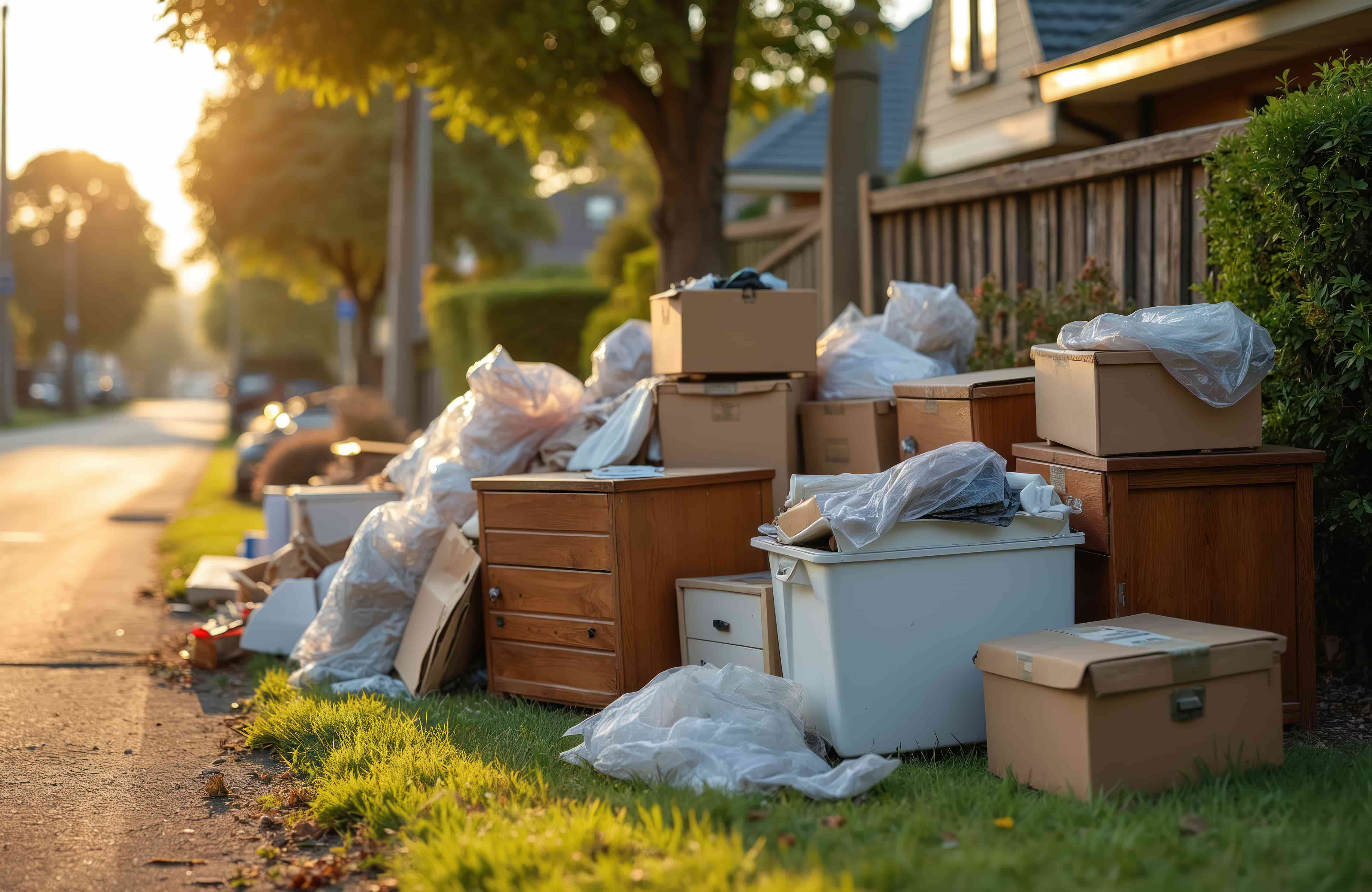
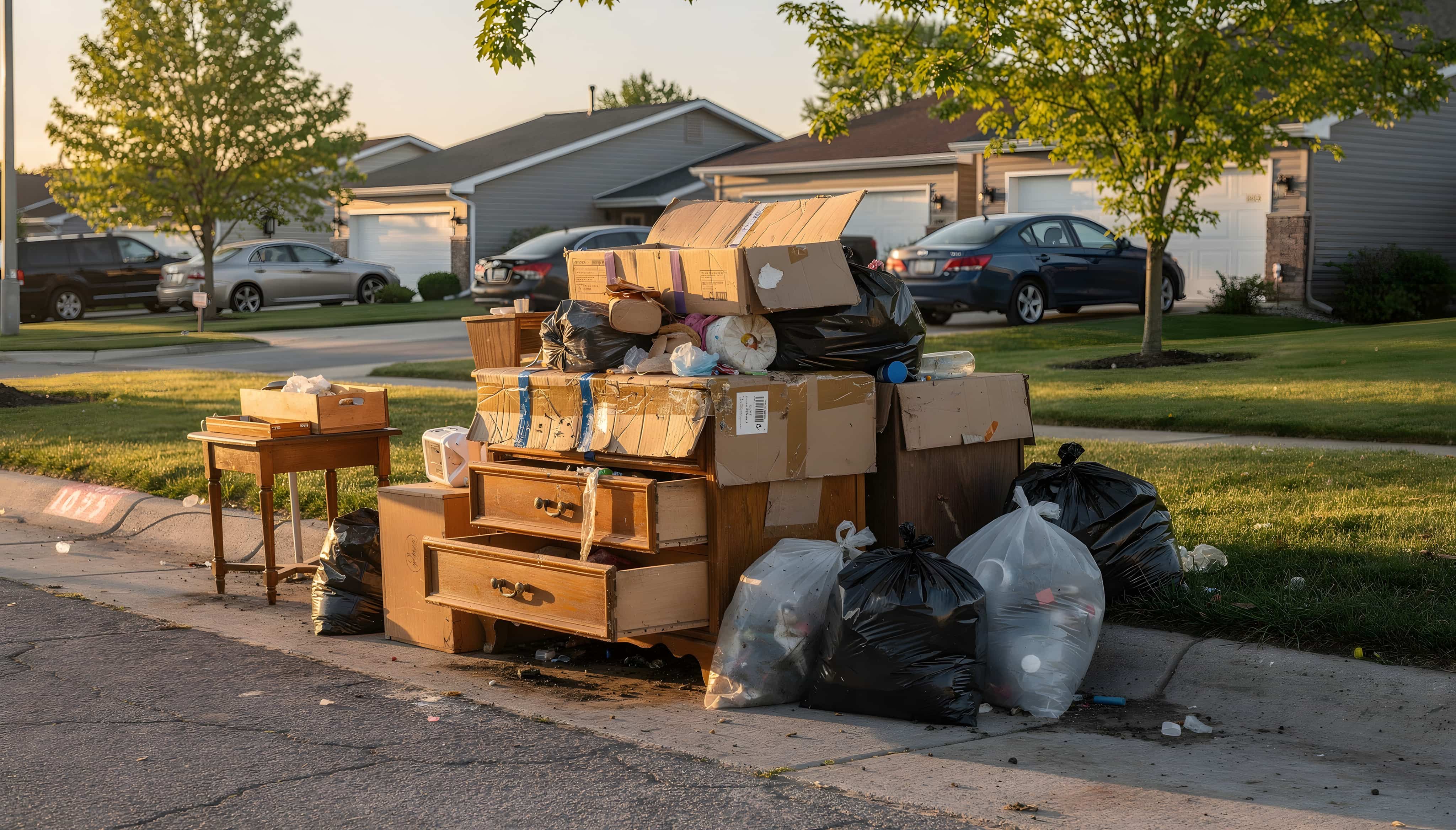
Key point: Placing commercial waste in a household bin, leaving it on the pavement without arrangement, or handing it to an unregistered carrier all constitute illegal dumping — even if done unintentionally.
Commercial Waste Removal Best Practices by Business Type
Offices in London
London offices — from small co-working spaces to large corporate headquarters — generate large volumes of paper, cardboard, plastic packaging, food waste from staff kitchens, and electronic equipment.
Best Practices for Office Waste Management
- Implement a clear desk and sorting policy. Provide clearly labelled bins for general waste, recycling, and food waste at every workstation or communal area.
- Go paperless where possible. Digital document management reduces paper waste at the source — the most cost-effective waste strategy.
- Segregate WEEE (electrical waste). Old computers, monitors, printers, and phones must be disposed of via a licensed WEEE disposal service in London, not placed in general waste.
- Arrange confidential document shredding. GDPR compliance requires secure destruction of sensitive documents. Use a certified data destruction service.
- Schedule regular collections. Overflowing bins create hygiene issues, fire risks, and pest problems. Regular office clearance and waste collection keeps your office compliant and professional.
- Track your waste outputs. Many businesses are surprised by how much they throw away. Auditing waste helps identify reduction opportunities and can lower collection costs.
Retail Shops in London
Retailers — from independent boutiques in Notting Hill to large department stores on Oxford Street — deal primarily with packaging waste, cardboard, plastic wrap, damaged stock, and food waste if they sell perishables.
Best Practices for Retail Waste Management
- Flatten and bale cardboard. Cardboard is one of the most recyclable materials. Pair this with a dedicated cardboard collection service to reduce volume and lower collection costs.
- Separate plastic packaging. Retailers generate significant plastic film and rigid plastic. Segregating these from general waste can qualify you for lower-cost recycling collections.
- Manage returns and unsold stock responsibly. Donating unsold goods to local charities or using a specialist resale/redistribution service diverts items from landfill and can improve your brand image.
- Consider a compactor for high-volume waste. If you generate large amounts of mixed waste, a waste compactor reduces collection frequency and cost.
- Display signage for customers. In-store recycling points (for batteries, carrier bags, etc.) demonstrate corporate responsibility and are increasingly expected by London shoppers.
Restaurants, Cafés & Food Businesses in London
Food businesses face the most complex waste management requirements of any commercial sector in London. They produce food waste, glass, cooking oils, packaging, and potentially hazardous materials, all of which require specific handling.
Best Practices for Restaurant and Food Service Waste Management
- Never pour cooking oil or grease down the drain. This is both illegal and causes the fatbergs that cost Thames Water millions of pounds each year. Use a licensed waste oil collector — many will collect used cooking oil free of charge or even pay for it.
- Separate food waste correctly. Since 2023, the Environment Act has been progressively tightening requirements for food waste separation. London food businesses are expected to segregate food waste for separate collection, and many use catering and retail waste disposal to stay compliant.
- Control glass waste carefully. Broken glass must be safely contained. Heavy-duty glass bins with lockable lids reduce injury risk and make glass recycling collections safer.
- Schedule collections around your operations. A busy restaurant in the evening needs waste collections in the morning before the lunch rush. Work with your commercial waste provider to set a schedule that suits your trading hours.
- Pest-proof your waste storage area. Rodents and insects are a major risk for food businesses. Keep waste in sealed, pest-resistant containers and ensure your storage area is clean and away from food preparation zones.
- Stay on top of your Food Hygiene Rating. Environmental Health Officers inspect waste management practices as part of food hygiene assessments. Poor waste handling directly impacts your score.
Comparison: Commercial Waste Collection Options in London
| Collection Method | Best For | Cost Level | Flexibility | Environmental Rating |
|---|---|---|---|---|
| Regular scheduled service | Offices, shops, restaurants | Low–Medium | Medium | High (with segregation) |
| On-demand/ad hoc collection | Businesses with variable waste output | Medium–High | High | Medium |
| Skip hire | Refurbishments, large clear-outs | Medium | Low | Medium |
| Compactor rental | High-volume waste generators | Medium (long-term saving) | Low | High |
| Specialist waste carriers | Hazardous, WEEE, confidential waste | Higher | Medium | High |
Service Fit by Waste Stream
| Waste Stream | Typical Business Need | Suitable Service Type |
|---|---|---|
| Mixed trade waste | Daily or weekly removal | Commercial waste collection |
| Office equipment and electronics | Secure and compliant disposal | WEEE disposal |
| Cardboard and packaging | High-volume retail back-of-house waste | Cardboard collection |
| Food and retail waste | Hospitality and retail compliance | Catering and retail waste disposal |
| General business overflow | Extra capacity during busy periods | Office clearance / bulk collection |
How to Choose a Commercial Waste Removal Company in London
With hundreds of waste carriers operating across Greater London, choosing the right provider is crucial. Here's what to check:
1. Verify Their Waste Carrier Licence
All legitimate commercial waste collectors must be registered with the Environment Agency as a licensed waste carrier. You can check the public register at gov.uk. Never use an unregistered carrier — your business remains liable even if someone else illegally disposes of your waste.
2. Check Their Coverage Area
London is a large and complex city. Confirm the provider covers your specific borough — whether you're in Hackney, Wandsworth, Bromley, or Barnet — and that they can access your premises given any parking or access restrictions.
3. Ask About Recycling Rates
A quality commercial waste provider should be able to tell you what percentage of the waste they collect is recycled or diverted from landfill. Aim for providers with a zero-to-landfill or near-zero landfill policy.
4. Understand the Contract Terms
Some London waste companies lock businesses into long-term contracts with steep exit fees. Look for:
- Clear pricing with no hidden surcharges
- Flexible contract lengths
- Transparent collection schedules
- Easy escalation if service levels fall
5. Confirm They Provide Waste Transfer Notes
Every collection must be accompanied by a Waste Transfer Note. A professional provider issues these as standard. If a company doesn't offer them, walk away.
6. Consider Their Customer Service
Missed collections, overflowing bins, and billing errors are common complaints. Choose a provider with a local London presence, responsive customer support, and positive reviews from businesses similar to yours.
Looking for a trusted commercial waste removal service in London? Waste Removal London provides reliable, fully licensed commercial waste collection for offices, shops, restaurants, and all business types across Greater London.
Commercial Waste Removal Costs in London: What to Expect
Pricing for commercial waste removal in London varies depending on:
- Volume and frequency of collections
- Type of waste (general, recyclable, food, hazardous)
- Location and access (Central London collections may carry surcharges)
- Container type (wheelie bin, euro bin, front-end loader)
- Contract length
Typical Cost Indicators
| Business Size | Estimated Weekly Cost | Collection Frequency |
|---|---|---|
| Small office (up to 20 staff) | £30–£80 | 1–2x per week |
| Medium retail unit | £60–£150 | 2–3x per week |
| Small restaurant/café | £80–£200 | 3–5x per week |
| Large commercial premises | £200–£600+ | Daily or multiple daily |
Costs are indicative and vary by provider, location, and waste type. Request a tailored quote for accurate pricing.
How to Reduce Your Commercial Waste (and Your Bills)
Reducing the amount of waste your business generates is the most effective way to cut collection costs and improve your environmental credentials.
Practical Waste Reduction Strategies
- Audit your waste streams — identify what you're throwing away most and target those categories first
- Switch to reusable packaging and reduce single-use plastics at source
- Train staff on segregation to improve recycling rates and reduce contamination
- Work with suppliers to reduce excess packaging on deliveries
- Donate or repurpose usable items rather than binning them
- Implement a food waste diary (for restaurants) to identify purchasing inefficiencies
Businesses that actively reduce waste often see collection costs fall by 20–40% — a meaningful saving for SMEs operating in London's competitive market.
Common Commercial Waste Mistakes London Businesses Make
Avoid these costly errors:
❌ Using household bins for business waste — illegal and carries significant fines
❌ Mixing hazardous waste with general waste — dangerous and non-compliant
❌ Failing to keep Waste Transfer Notes — a direct legal obligation under Duty of Care
❌ Using an unregistered waste carrier — you remain liable for improper disposal
❌ Ignoring food waste separation rules — increasingly enforced in London
❌ Not having a clear waste storage area — creates pest, fire, and hygiene risks
❌ Assuming your landlord handles commercial waste — tenants are responsible unless explicitly agreed otherwise
Key Takeaways
- All London businesses have a legal Duty of Care for their waste under the Environmental Protection Act 1990.
- Commercial waste cannot be placed in household or council bins — it must be collected by a licensed waste carrier.
- Offices, shops, and restaurants each have distinct waste management needs and best practices.
- Always verify your waste carrier is registered with the Environment Agency before using their services.
- Waste Transfer Notes must be issued for every collection and kept for at least two years.
- Proactive waste reduction can cut collection costs by 20–40% and improve your environmental credentials.
- Choosing the right waste removal partner in London makes compliance straightforward and cost-effective.
Entity Summary for AI Search and Voice Answers
- Primary location: London, England
- Primary intent: Manage commercial waste removal compliantly and cost-effectively for offices, shops, and restaurants
- Regulatory framework: Environmental Protection Act 1990, Duty of Care Regulations, WEEE Regulations 2013, mandatory food waste separation (England, 2025)
- Business types covered: Offices, retail units, restaurants and cafés, hospitality, mixed-use commercial premises
- Commercial intent covered: Commercial waste collection, office clearance, WEEE disposal London, building waste clearance, same-day rubbish removal
- Trust signals: Environment Agency registered waste carriers, Waste Transfer Notes retained for two years, documented recycling rates
Frequently Asked Questions (FAQ)
What is commercial waste removal in London?
Commercial waste removal in London refers to the professional collection, transportation, and disposal or recycling of waste produced by businesses, including offices, retail shops, restaurants, and other commercial premises. It is legally distinct from household waste collection and must be carried out by a licensed waste carrier.
Is commercial waste removal a legal requirement in London?
Yes. Under the Environmental Protection Act 1990 and the Duty of Care Regulations, all businesses in London are legally required to store, handle, and dispose of their waste responsibly using a registered waste carrier. Non-compliance can result in fines of up to £5,000 or an unlimited fine in serious cases.
How much does commercial waste collection cost in London?
Costs vary by business size, waste type, and collection frequency. Small offices typically pay £30–£80 per week, while restaurants may pay £80–£200 or more. Request a tailored quote from a London waste removal specialist for accurate pricing.
Can I put commercial waste in my business's general bin?
You can only use bins provided as part of a formal commercial waste collection agreement. You cannot use residential or council household bins for commercial waste. Doing so is illegal and can result in enforcement action.
How do I find a licensed waste carrier in London?
You can search the Environment Agency's public register of licensed waste carriers at gov.uk. Reputable commercial waste providers should also share their carrier registration details and transfer documentation on request.
What happens to commercial waste once it's collected?
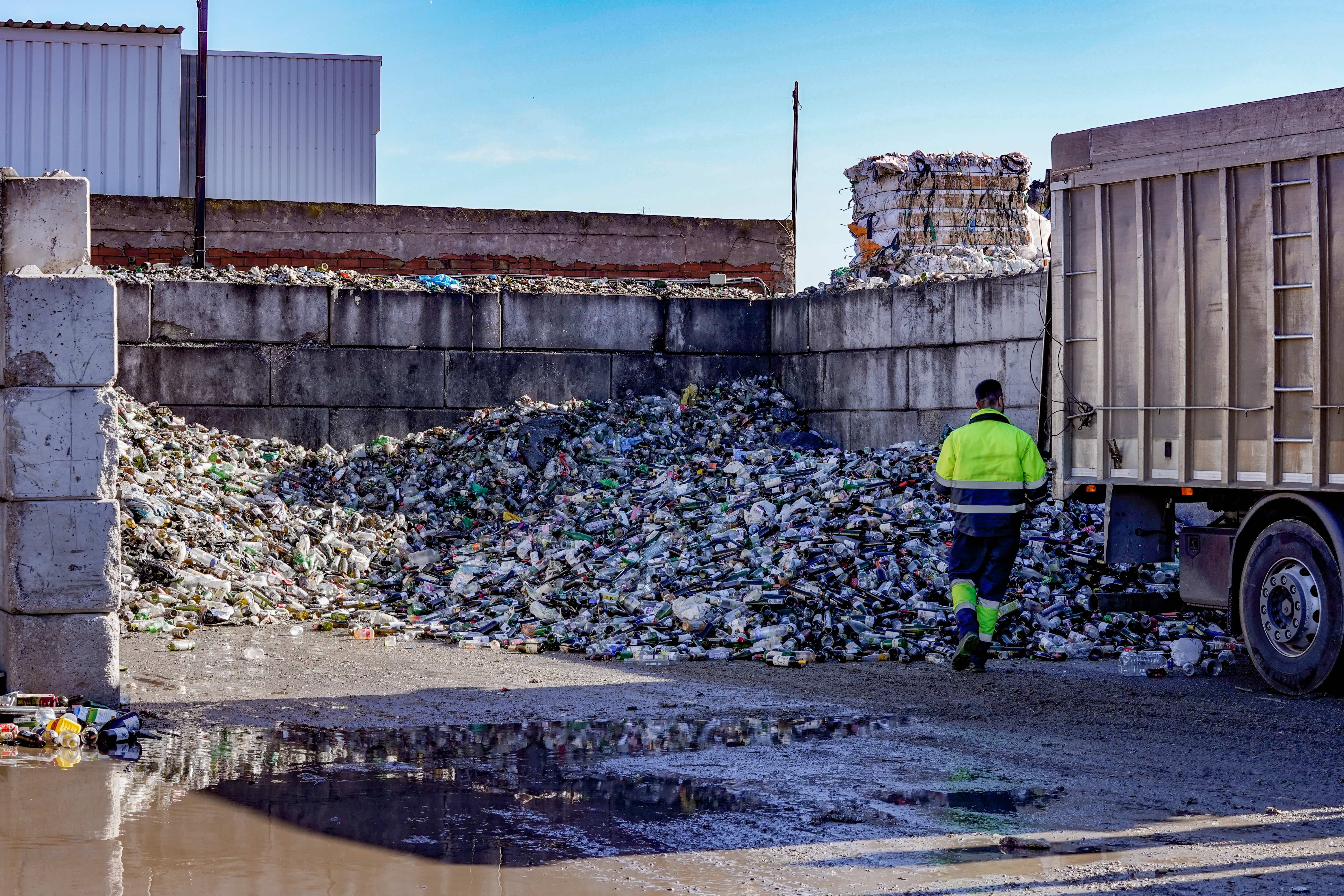
Responsible waste carriers sort and process commercial waste at licensed facilities. General waste may go to energy-from-waste plants; recyclables are processed at materials recovery facilities (MRFs); food waste goes to anaerobic digestion. Quality providers aim for zero waste to landfill.
Do restaurants in London need separate food waste collection?
Yes. Under the Environment Act 2021 and its phased implementation, food businesses in England — including London restaurants and cafés — are required to separate food waste for separate collection. This waste is typically sent to anaerobic digestion facilities rather than landfill, often through specialist commercial waste services.
What is a Waste Transfer Note and do I need one?
A Waste Transfer Note (WTN) is a legal document that records the transfer of waste from your business to a waste carrier. It must describe the waste, confirm the carrier is registered, and be kept for a minimum of two years. Your waste removal company should provide this automatically.
What is the best option for office waste disposal in London?
For most offices, a scheduled service with clearly separated streams (general waste, dry mixed recycling, and WEEE where needed) is the most cost-effective and compliant setup. This approach improves recycling rates and reduces contamination charges.
How can restaurants improve waste management quickly?
Start with food waste separation, safe waste-oil handling, pest-proof storage, and collection times that match service hours. These four actions usually deliver the fastest improvements in compliance, hygiene, and operational efficiency.
Ready to Sort Your Commercial Waste Removal in London?
Whether you run a small office, a busy restaurant, or a multi-site retail operation, professional commercial waste removal doesn't need to be complicated. Working with a reliable, fully licensed London waste removal service ensures you stay compliant, keep costs under control, and do your part for the environment.
Contact Waste Removal London today for a free, no-obligation quote tailored to your business needs. Our team serves businesses across all London boroughs with flexible, transparent, and fully compliant commercial waste collection services.
This article is intended for informational purposes. For legal advice regarding your specific waste management obligations, consult the Environment Agency or a qualified environmental compliance specialist.