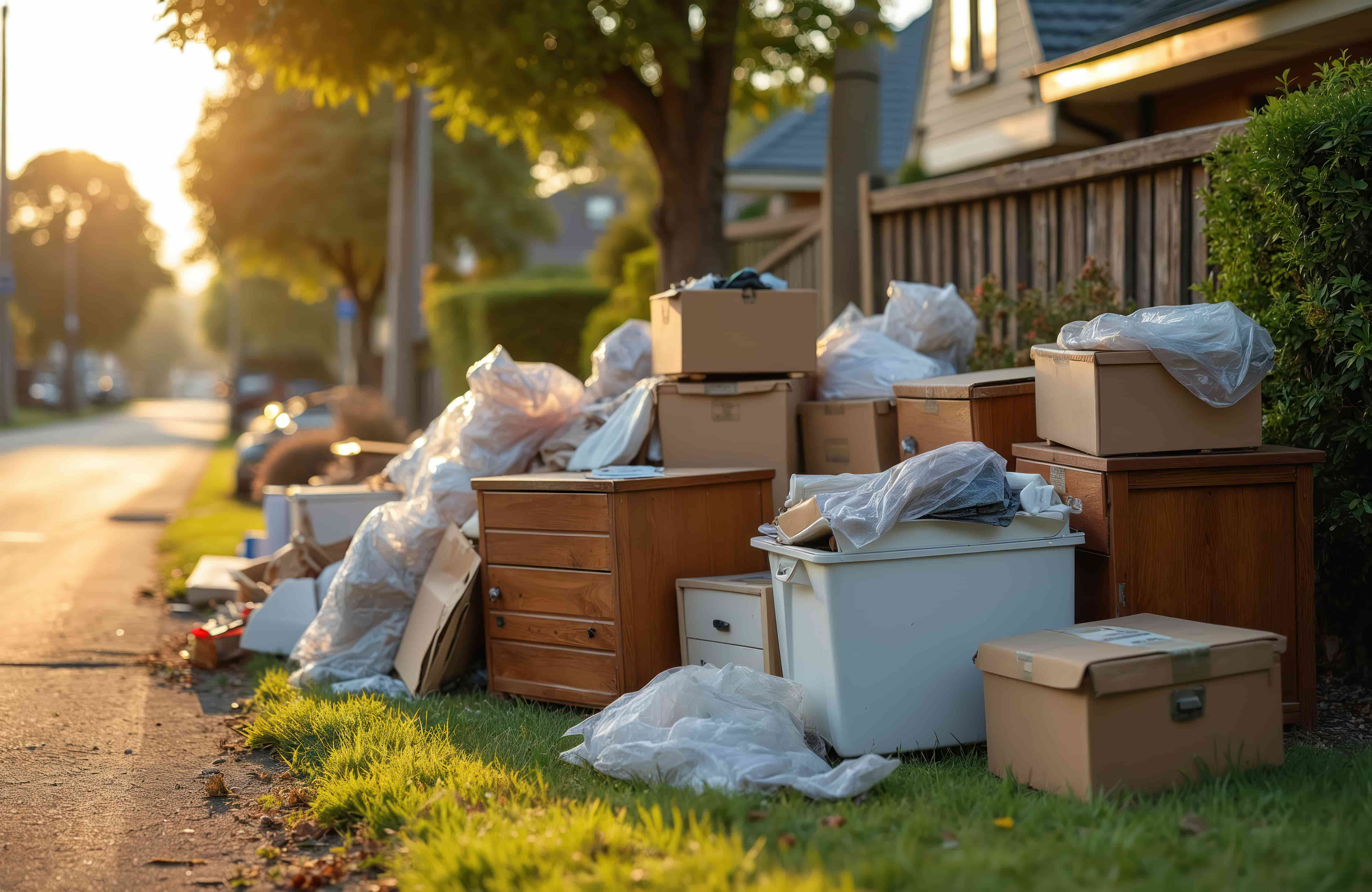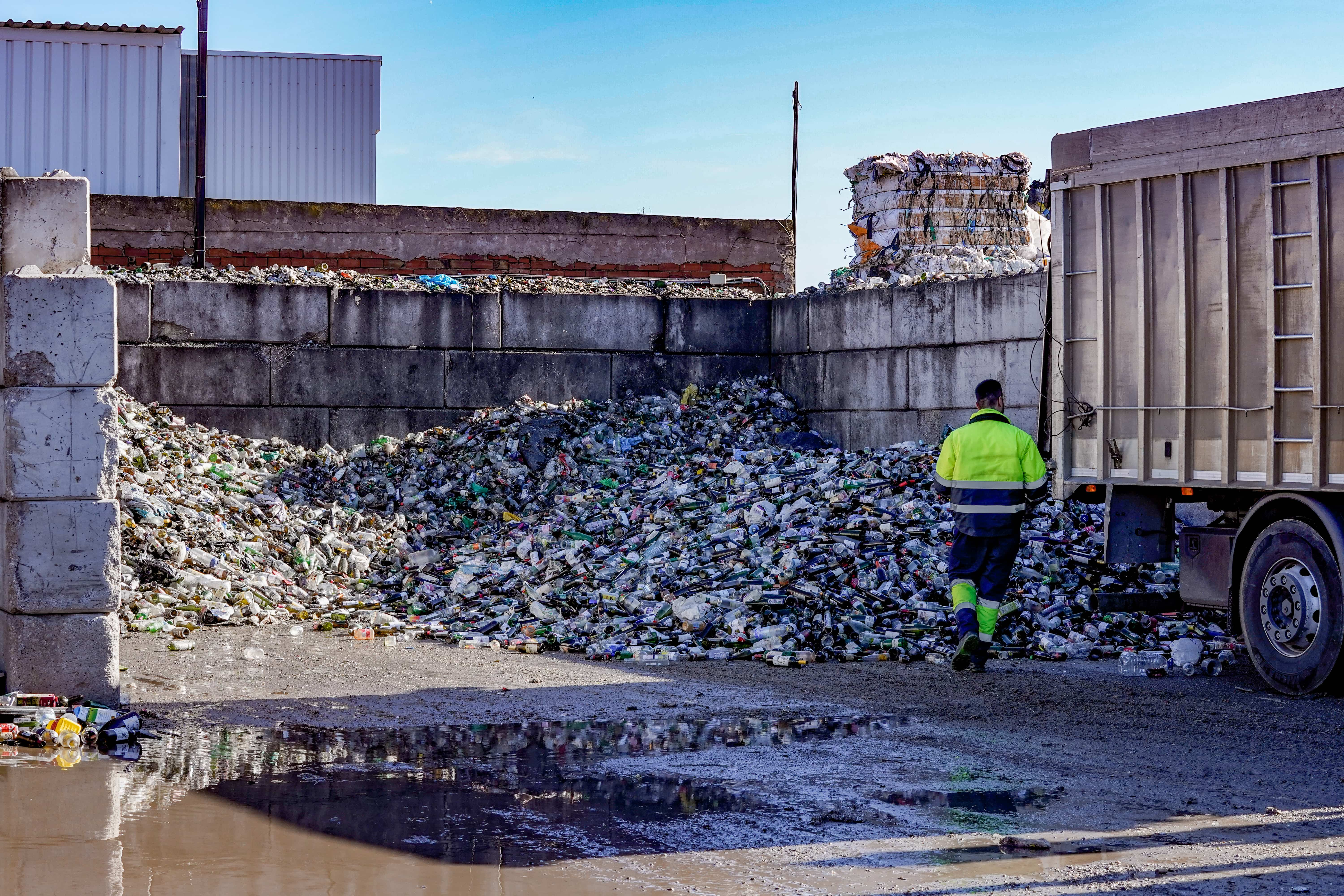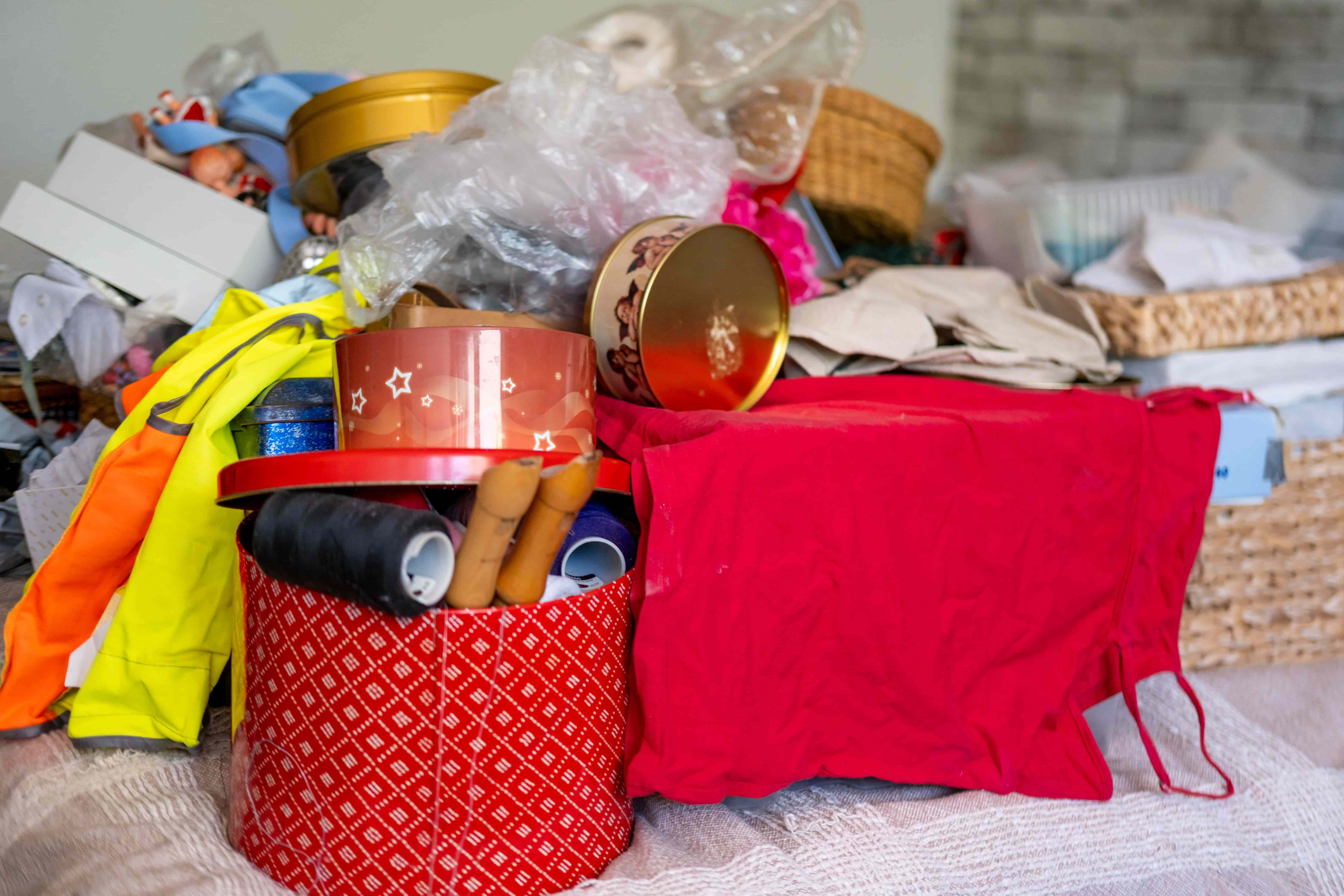

Moving home is one of life's most stressful events — and one of the most wasteful. The average UK house move generates a surprising amount of unwanted items, packaging waste, and general rubbish. In a city like London, where space is premium and fly-tipping carries serious penalties, knowing how to handle your waste responsibly before, during, and after a move is not just eco-friendly — it's essential.
This guide gives you a comprehensive, practical roadmap to reduce waste during a London home move, covering everything from decluttering and donating to recycling, responsible disposal, and when to call in professional junk removal services.
How to Reduce Waste During a London Home Move
If you want the fastest low-waste approach, follow this order:
- Declutter 6 to 8 weeks before moving so fewer items need transport or disposal.
- Donate and sell first, especially reusable furniture, clothing, and appliances.
- Separate recyclables (cardboard, metals, WEEE, textiles) and book borough HRRC visits early.
- Use licensed disposal only for mattresses, white goods, paint, and hazardous items.
- Book professional rubbish clearance for bulky, time-critical, or non-recyclable loads.
This method reduces landfill waste, lowers moving costs, and keeps your move compliant with London waste rules.
Who This Guide Helps
- London homeowners moving from flats, terraces, or family homes
- Tenants preparing end-of-tenancy clear-outs
- Landlords handling pre-let or post-tenancy waste
- Families combining decluttering, relocation, and legal waste disposal
Why Waste Management Matters During a Home Move
Before diving into the checklist, it's worth understanding the scale of the problem.
Key facts:
- The average UK household move generates between 300 and 600 kg of unwanted items (furniture, appliances, clothing, and general clutter).
- London boroughs issued over 2,400 fixed penalty notices for fly-tipping in a single year, with fines reaching £1,000 or more.
- Packaging materials from a typical move — bubble wrap, cardboard, polystyrene — account for a significant portion of household recyclable waste.
- Items sent to landfill during moves represent a massive missed opportunity, as a large proportion can be donated, reused, or recycled.
Moving sustainably isn't just good for the environment — it saves you money, reduces removal costs, and keeps you on the right side of London's waste regulations.
Phase 1: Declutter Before You Pack — The Foundation of a Low-Waste Move
The single most effective way to reduce moving waste is to declutter before you start packing. Everything you don't take with you either needs a plan for responsible disposal or it becomes waste.
How to Declutter Strategically
Use the three-box method — or in this case, five categories:
| Category | Action |
|---|---|
| Keep | Pack and move to new home |
| Donate | Give to charity shops, friends, or community groups |
| Sell | List on eBay, Facebook Marketplace, Gumtree |
| Recycle | Take to a London Household Reuse and Recycling Centre (HRRC) |
| Dispose | Arrange house clearance for non-recyclable bulk items |
Expert tip: Start the declutter process at least 6–8 weeks before your move date. Rushed decisions lead to either unnecessary disposal of valuable items or poor waste management under time pressure.
8-Week Low-Waste Moving Timeline (London)
| Time Before Move | Priority Action |
|---|---|
| 8 weeks | Start room-by-room decluttering and create keep/sell/donate/recycle/dispose lists |
| 6 weeks | Arrange charity collections and list sellable items |
| 4 weeks | Book HRRC slots and separate specialist waste streams |
| 2 weeks | Finalise bulky item removals and backup clearance options |
| Move week | Remove remaining rubbish, flatten packaging, and keep disposal records |
Room-by-Room Declutter Checklist
🛋️ Living Room
- Old or broken electronics (TVs, speakers, games consoles)
- Outdated DVDs, CDs, books
- Worn soft furnishings (cushions, rugs, curtains)
- Furniture that won't fit or suit the new property
- Decorative items you no longer love
🍳 Kitchen
- Duplicate appliances (how many toasters do you need?)
- Crockery, cutlery, and glassware you haven't used in over a year
- Expired food, condiments, and pantry items
- Worn non-stick pans, damaged utensils
- Bulky appliances that won't fit the new kitchen
🛏️ Bedrooms
- Clothing (apply the 12-month rule — if unworn in a year, donate it)
- Shoes and accessories
- Old bedding, pillows, and duvets
- Furniture that doesn't suit the new space
- Children's outgrown toys and games
🚿 Bathroom
- Expired medicines (take to a pharmacy — never bin them)
- Old beauty products and toiletries
- Broken accessories and storage units
🔧 Garage / Shed / Loft
- Old tools and garden equipment
- Broken bicycles or sports equipment
- Leftover paint and chemicals (require specialist disposal)
- Old furniture and appliances in storage "just in case"
- Holiday decorations and seasonal items you'll never use again
Phase 2: Donate, Sell, and Rehome — Zero-Waste Alternatives to Binning
Before anything goes to a recycling centre or skip, exhaust your donate and rehome options. This is the most sustainable and community-positive approach.
Best Places to Donate in London
- British Heart Foundation — collects large furniture and appliances directly from London homes (free collection service)
- Emmaus UK — accepts a wide range of household goods and furniture
- BHF, Oxfam, Age UK charity shops — clothing, books, kitchenware
- Freecycle and Freegle London — give items directly to people in your local London community who need them
- Facebook Marketplace "Free" listings — fast, effective, and hyper-local
- OLIO app — a neighbourhood sharing app particularly popular across London boroughs
- Local schools and community centres — often welcome toys, books, art supplies, and furniture
Sell What Has Value
Many items you no longer need have genuine resale value:
- eBay — best for electronics, collectables, specific appliances
- Facebook Marketplace — ideal for furniture, home items, larger goods
- Gumtree — strong London user base for local collection items
- Vinted — clothing, shoes, and fashion accessories
- Preloved — broader categories of household items
Even modest returns from selling unwanted items can offset the cost of professional junk removal services for the items that genuinely need disposal.
Phase 3: Recycling During a London Home Move
Not everything can be donated or sold, but a significant proportion of moving waste is recyclable — if you know where to take it.
London Household Reuse and Recycling Centres (HRRCs)
London has a network of Household Reuse and Recycling Centres (commonly called "tips" or "recycling centres") operated by individual boroughs. These accept:
- Cardboard and paper (including all that packing material)
- Glass
- Metals
- Electrical items (WEEE — Waste Electrical and Electronic Equipment)
- Textiles
- Wood
- Garden waste
- Plasterboard
- Batteries
- Paint (some centres)
Important: Most London HRRCs require you to book a slot in advance and may require proof of residency in that borough. Check your borough council's website before visiting.
Cardboard and Packing Materials Recycling
One of the biggest waste streams during a house move is cardboard. Here's how to handle it responsibly:
- Flatten all cardboard boxes and take to your local HRRC or put in your kerbside recycling bin in manageable amounts
- Bubble wrap is not kerbside recyclable — take to supermarket carrier bag recycling points or specialist plastic film recycling points
- Polystyrene is difficult to recycle — minimise use by buying or borrowing packing materials rather than purchasing new ones
If you are left with a large volume of packing waste, a booked cardboard collection service can help clear it quickly and legally.
Eco-Friendly Packing Alternatives
Reduce packaging waste before it even becomes an issue:
| Instead of... | Try... |
|---|---|
| Bubble wrap | Towels, blankets, clothing as protective wrapping |
| New cardboard boxes | Borrowed or second-hand boxes (Facebook Marketplace groups often give these away free) |
| Polystyrene peanuts | Scrunched newspaper or paper |
| Plastic tape | Paper tape (fully recyclable) |
| Single-use plastic bags | Reusable bags or boxes |
Phase 4: Specialist Disposal — Items You Cannot Simply Bin
Certain items cannot go in your general waste bin or recycling and require specialist disposal. In London, improper disposal of these items can result in significant fines.
Items Requiring Specialist Disposal
| Item | Correct Disposal Method |
|---|---|
| Mattresses | HRRC, specialist mattress recyclers, or professional clearance |
| Large appliances (white goods) | HRRC WEEE point, retailer take-back scheme, or clearance service |
| TVs and monitors | HRRC WEEE point — never general waste |
| Paint and solvents | HRRC (hazardous waste section) or local council hazardous waste collection |
| Medicines | Return to any pharmacy — free service |
| Batteries | In-store battery collection bins (supermarkets, DIY stores) |
| Asbestos | Specialist licensed asbestos removal only — do not handle yourself |
| Gas cylinders | Supplier return schemes or specialist disposal |
| Fluorescent bulbs | HRRC or in-store recycling points |
⚠️ Warning: Fly-tipping in London is a criminal offence. Fixed Penalty Notices start at £400 and can reach £1,000. Prosecution can result in an unlimited fine and/or up to 12 months in prison. Always use licensed waste carriers.
For bulky bedroom items, pre-booking mattress and bed disposal avoids last-minute disposal problems on moving day.
Phase 5: Professional Junk Removal — When You Need Expert Help
Despite your best efforts, most London home moves reach a point where there is simply too much to deal with alone — too much for recycling centres, too specialist for charity shops, and too time-consuming to sell.
This is when professional junk removal and rubbish clearance services become genuinely valuable.
DIY vs Professional Clearance: What Usually Works Best
| Situation | Best Option |
|---|---|
| A few recyclable bags/boxes | DIY via kerbside or HRRC |
| Mixed bulky waste from multiple rooms | Professional clearance |
| Tight exchange/completion timelines | Same-day or next-day professional collection |
| Specialist waste with legal handling rules | Licensed waste carrier |
When to Book a Professional Waste Removal Service
- You have large furniture that cannot easily be transported to an HRRC (a specialist furniture disposal service is often the easiest option)
- You have multiple rooms worth of clearance to deal with on a tight timeline
- You need same-day or next-day clearance around your move date, especially if exchange and completion dates are tight
- You have specialist items (mattresses, white goods, electrical waste) that require proper handling
- You want complete peace of mind that all waste is handled legally and responsibly
What a Professional London Junk Removal Service Provides
A reputable waste removal company in London should:
- Be registered as a licensed waste carrier with the Environment Agency (you can verify this on the Government website)
- Provide transparent, fixed pricing with no hidden charges
- Offer same-day or next-day availability
- Handle the heavy lifting and loading — no physical effort required from you
- Provide a waste transfer note upon request (important proof of legal disposal)
- Maximise recycling and donation of items cleared — not simply sending everything to landfill
Need urgent help? Same-day rubbish removal is available across London boroughs. Professional teams can handle everything from single-item furniture removal to full house clearances — responsibly, efficiently, and with transparent fixed pricing.
Cost Guide: Professional Junk Removal in London
| Service | Approximate Cost |
|---|---|
| Single item (sofa, mattress, fridge) | £60 – £120 |
| Small van load (partial room clearance) | £100 – £180 |
| Large van load (full room or more) | £180 – £300 |
| Full house clearance (3–4 bedroom) | £400 – £800+ |
Prices vary based on volume, access, item type, and location within London. Always request a fixed quote.
Phase 6: After the Move — Settling In Without Creating More Waste
The waste challenge doesn't end on moving day. Unpacking creates its own waste stream.
Post-Move Waste Reduction Tips
- Break down and recycle all cardboard immediately rather than letting it pile up
- Donate or sell packing materials you no longer need — other movers in London will want them
- Arrange a small clearance for any items that don't work in the new space rather than storing them and creating clutter again
- Register with your new borough's recycling service as soon as possible and understand what is collected kerbside
- Check if your new borough offers a bulky waste collection service — most London councils offer this, often at low or no cost for residents
Key Takeaways
- Declutter before you pack — it's the single biggest step to reducing moving waste
- Exhaust donation, selling, and rehoming options before disposing of anything
- Use London's HRRC network for recyclable items and specialist disposal
- Know which items require specialist disposal to avoid fines
- Use eco-friendly packing materials where possible
- Book a licensed professional clearance service for items too large, specialist, or time-consuming to handle yourself
- Continue waste reduction habits after you've moved in
Service Fit for Common London Move-Waste Scenarios
- Use house clearance for mixed non-recyclable household loads.
- Use cardboard collection when unpacking creates high packaging volume.
- Use mattress and bed disposal for bulky bedroom items.
- Use same-day rubbish removal for urgent exchange or completion deadlines.
- Use general waste collection for leftover mixed waste after reuse and recycling.
Frequently Asked Questions
How do I dispose of a mattress when moving in London?
You cannot put a mattress in your standard general waste bin. Options include taking it to a London HRRC (Household Reuse and Recycling Centre), using your borough's bulky waste collection service (often free or low cost for residents), donating it to a charity if it's in good condition, or booking a professional clearance service to collect and dispose of it responsibly.
Is fly-tipping illegal in London?
Yes. Fly-tipping is a criminal offence across all London boroughs. Fixed Penalty Notices start at £400 for individuals and can reach £1,000. Court prosecution can result in an unlimited fine and up to 12 months in prison. Always use a licensed waste carrier and request a waste transfer note.
Can I take moving waste to any London recycling centre?
Most London HRRCs require proof of residency within the borough that operates the centre. You will typically need to book a slot in advance. Check your specific borough council's website for eligibility and booking requirements.
How much does junk removal cost during a London home move?
Costs vary depending on the volume and type of waste. Single-item collections (sofa, fridge, mattress) typically range from £60–£120. A full house clearance for a 3–4 bedroom property can range from £400–£800+. Always get a fixed, transparent quote from a licensed waste carrier.
What can I do with leftover paint when moving home?
Paint cannot go in general waste or recycling bins. Take it to the hazardous waste section of your local HRRC, check if your borough offers a hazardous waste collection day, or donate usable paint through Community RePaint schemes. Some DIY stores also accept paint for recycling.
How early should I start decluttering before a London house move?
Ideally, 6–8 weeks before your move date. This gives you time to properly sort items, list things for sale, arrange charity collections, and book any clearance services without the pressure of last-minute decisions.
What items cannot go in London kerbside recycling?
Bubble wrap, polystyrene, textiles, ceramics, electrical items, batteries, and general household junk cannot go in standard kerbside recycling bins. These need to be taken to an HRRC, specialist collection point, or handled by a professional clearance service.
Ready to Make Your London Move Waste-Free?
Whether you need a single sofa collected or a full house cleared before your move date, choose a licensed provider with clear pricing and documented disposal.
We handle the heavy lifting. You handle the move.
Waste Removal London is a fully licensed waste carrier registered with the Environment Agency, serving all London boroughs with same-day and next-day clearance services.