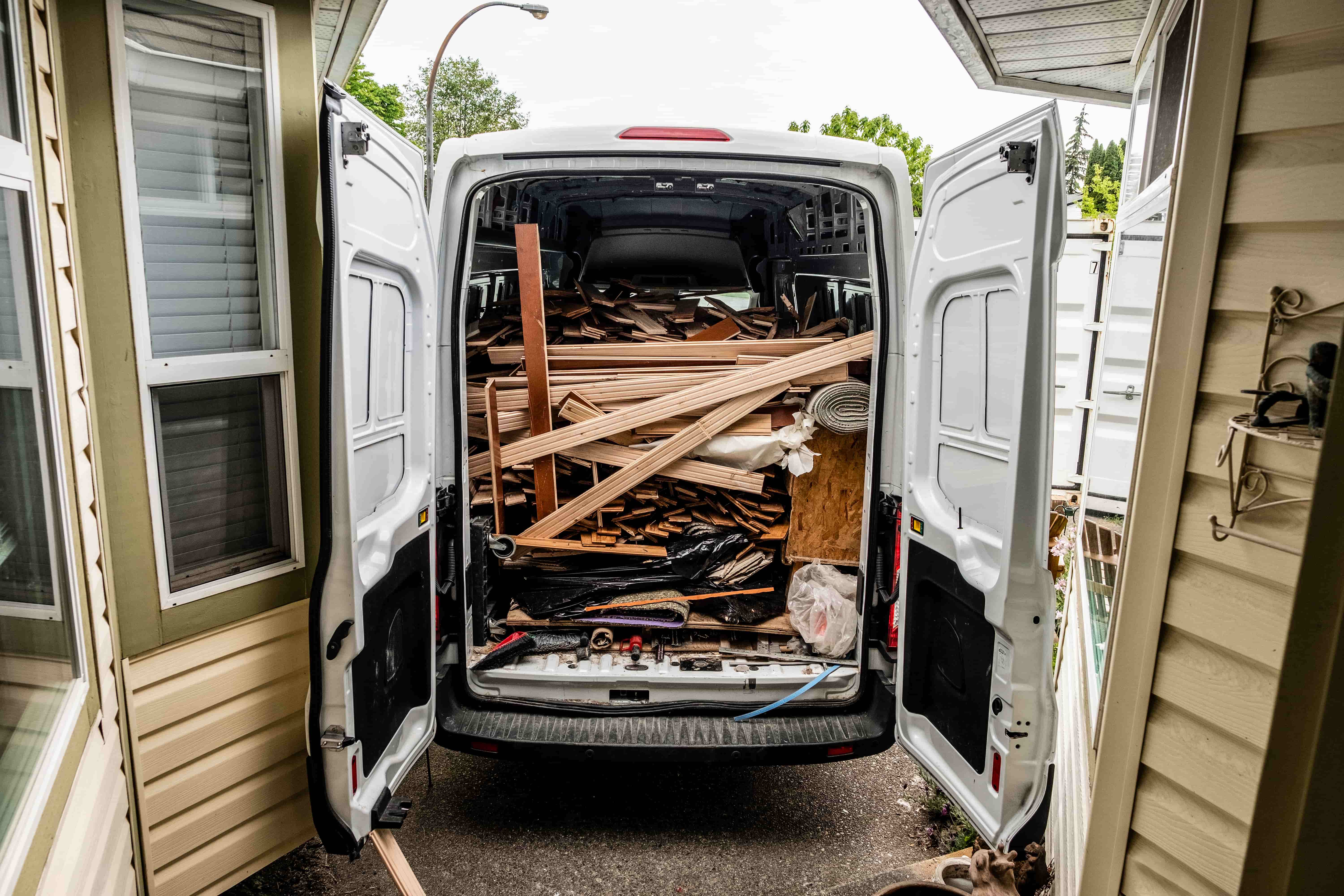

London hosts thousands of events every year — from intimate corporate receptions and private garden parties to large-scale music festivals, street fairs, and sporting occasions. With great events comes great rubbish. Poor waste management is one of the most common causes of venue penalties, neighbour complaints, licence revocations, and costly clean-up bills for event organisers.
This guide gives you a complete, practical framework for managing event waste removal in London — covering everything you need to do before, during, and after your event to stay compliant, sustainable, and stress-free.
How Do You Manage Event Waste Removal in London?
Plan your waste strategy before event day, separate core waste streams at source, position clearly labelled bin stations, and schedule licensed collections before and after the event window. For most London events, this combination prevents overflow, reduces contamination, protects permits, and lowers final disposal costs.
If you have strict turnaround times or difficult site access, pre-book both routine and contingency collections so you can adapt without disruption.
Why Event Waste Management Matters in London
London's event landscape is governed by strict local authority regulations, venue agreements, and environmental standards. The Greater London Authority (GLA) and individual London boroughs each have specific requirements around commercial waste disposal, recycling targets, and public space cleanliness.
Failing to manage event waste properly can result in:
- Fixed Penalty Notices (FPNs) issued by the local council
- Loss of event licences or refusal of future permits
- Venue damage charges from site owners
- Reputational damage — particularly for recurring events
- Environmental harm, including fly-tipping offences that carry fines up to £400 on the spot (or unlimited fines in court)
The good news: with the right planning and a reliable professional commercial waste service in London, event waste becomes one of the most manageable parts of your event logistics.
Phase 1: Before the Event — Waste Planning and Setup
Conduct a Waste Assessment
Every event is different. A wedding for 80 guests at a private venue generates different waste volumes and types than a 2,000-person outdoor food festival. Begin your planning with a waste assessment covering:
- Estimated attendance numbers
- Type of event (corporate, private, public, ticketed)
- Food and drink provision (caterers, bars, food stalls)
- Venue type (indoor hall, outdoor park, marquee, rooftop)
- Duration of event
- Waste streams expected (general waste, food waste, recyclables, glass, cardboard)
Create a Waste Management Plan
For events over a certain size — particularly those requiring a Temporary Event Notice (TEN) or premises licence — many London boroughs will ask for a formal Waste Management Plan (WMP) as part of the event permit application.
Even where not legally required, creating a WMP is best practice. It should include:
- Placement of waste stations and recycling points
- Signage strategy to encourage correct disposal
- Arrangements for waste contractor collection
- Contingency for excess waste
- Designated staff or volunteer roles for waste monitoring
Book Your Waste Removal Contractor Early
London event venues fill up quickly, and so do waste contractors' schedules — especially during peak summer months and the festive season. Booking your event waste removal provider well in advance ensures:
- Correct container sizing (skips, compactors, caged trolleys)
- Scheduled collections timed around your event
- Compliance documentation (waste transfer notes)
- Recycling streams properly allocated
Expert Tip: Always confirm that your waste contractor holds a valid Waste Carrier Licence registered with the Environment Agency. This protects you from liability if waste is illegally disposed of — something increasingly common with unlicensed operators.
Match Event Scenarios to the Right Service Type
Not every event produces the same waste profile. Mapping likely waste volume and material type to the right collection format before event day helps you avoid missed collections, unplanned costs, and compliance issues.
Choose the Right Containers
| Container Type | Best For | Typical Capacity |
|---|---|---|
| Mini Skip (2–3 yard) | Small private events, indoor venues | 20–30 bin bags |
| Midi Skip (4–6 yard) | Medium events, mixed waste | 40–60 bin bags |
| Large Skip (8–12 yard) | Outdoor festivals, street events | 80–120 bin bags |
| Waste Compactor | High-volume events, food waste | Variable |
| Caged Roll Cages | Recyclables (glass, cardboard, cans) | Variable |
| Food Waste Bins | Catered events, markets | 120–240 litres |
Sort Your Waste Streams from the Start
The more waste you can divert from landfill, the lower your disposal costs and environmental impact. Plan for at least three streams:
- General waste — non-recyclable materials
- Dry mixed recyclables — cardboard, plastic bottles, cans, paper
- Glass — bottles and jars (separate from other recyclables)
- Food waste — organic material for composting or anaerobic digestion
Many London events are now targeting zero waste to landfill by working with specialist waste contractors who sort and process mixed event waste at dedicated materials recovery facilities (MRFs).
Phase 2: During the Event — Active Waste Management
Station Placement Strategy
The most common mistake at events is not having enough waste stations — or placing them in the wrong locations. Follow these principles:
- Place bins at exit points — people naturally dispose of waste when leaving an area
- Pair every general waste bin with a recycling bin — single-stream bins encourage contamination
- Position near food and drink areas — highest concentration of disposable packaging
- Use high-visibility, clearly labelled stations with colour coding and iconography (not just text)
- Ratio guide: One bin station per 50–100 attendees as a baseline; increase for food-heavy events
Staff Your Waste Operation
At events of any meaningful size, unmanned bins quickly become overflowing, contaminated, or ignored. Assign dedicated waste marshals or stewards to:
- Monitor fill levels and swap out full bags/bins
- Guide attendees to correct recycling streams
- Prevent contamination (e.g., food waste in recycling)
- Manage unexpected spills or waste build-up
For larger events, consider a litter picking rota that runs throughout the event, not just at the end.
Work with Vendors and Caterers
Food and beverage vendors are responsible for a significant proportion of event waste. Brief all vendors before the event on your waste requirements:
- Packaging specifications — mandate compostable or recyclable packaging
- Cardboard and crate disposal — vendors must break down and place in agreed areas, not leave behind skips
- Grease and cooking oil — must be collected in sealed containers by a licensed waste oil collector
- End-of-day clearance — each vendor is responsible for clearing their pitch before leaving
Include these requirements in vendor contracts where possible.
Monitor and Adapt in Real Time
Events rarely go exactly to plan. Attendance may exceed projections, weather may affect outdoor waste, or a particular area may generate more rubbish than anticipated. Keep a direct line of communication with your waste contractor throughout the event so they can:
- Deploy additional collections mid-event if needed
- Adjust container positioning
- Remove full containers to make space for ongoing waste
Phase 3: After the Event — Post-Event Clearance
The Post-Event Clean-Up Plan
Post-event waste clearance is where many organisers make costly mistakes — either by underestimating the volume of waste left behind or by leaving it too long and incurring venue penalties.
Key tasks in the post-event clearance window:
- Remove all temporary waste stations and signage
- Consolidate waste from all collection points into main containers
- Separate any remaining recyclables from general waste
- Remove food waste to prevent pest attraction (especially outdoors)
- Collect all vendor packaging, pallets, and equipment waste
- Do a full site sweep for cigarette butts, cups, and scattered litter
- Photograph the site in its cleared condition (for venue dispute protection)
- Confirm waste transfer documentation with your contractor
Book a Post-Event Same-Day or Next-Day Collection
Most venues in London require the site to be returned to its original condition within a defined timeframe — often within 12 to 24 hours of the event ending. Working with a waste removal company that offers same-day or next-day collection in London ensures you meet these deadlines without relying on standard council collection schedules.
Waste Removal London provides flexible, responsive waste collection services for post-event clearance across all London boroughs, including weekends and bank holidays.
Obtain Your Waste Transfer Notes
Under the Environmental Protection Act 1990 (Duty of Care), anyone who produces, carries, keeps, or disposes of controlled waste must ensure it is transferred legally with a Waste Transfer Note (WTN). Your waste contractor must provide this documentation, and you must keep it for a minimum of two years.
This is not optional. Failure to maintain proper waste transfer documentation is an offence that can result in significant fines.
Measure, Report, and Improve
After the event, review your waste management performance:
- Total waste generated (in tonnes or cubic yards)
- Recycling diversion rate — what percentage was recycled vs. sent to landfill
- Contamination issues — which streams were most problematic
- Cost per tonne — benchmark against previous events
- Incident log — any overflowing stations, complaints, or issues
This data helps you improve future event waste planning and demonstrates environmental responsibility to venues, sponsors, and local authorities. For additional cost-control ideas, see our guide on how London businesses can create a cost-effective waste management plan.
Event Waste Removal Costs in London: What to Expect
Waste removal costs vary depending on volume, waste type, access, and timing. Here's a general guide:
| Service | Estimated Cost (London) |
|---|---|
| Skip hire (2–4 yard) | £130 – £230 |
| Skip hire (6–8 yard) | £200 – £320 |
| Same-day waste collection | £150 – £400+ |
| Man and van clearance | £80 – £200 per load |
| Post-event full site clearance | £300 – £2,000+ depending on scale |
| Recycling segregation service | Included or £50–£150 add-on |
Cost-Saving Tip: Properly segregated recyclables cost significantly less to dispose of than mixed general waste. Investing in good signage and waste marshalling upfront reduces your post-event disposal bill.
London-Specific Compliance Considerations
Skip Permits
If you need a skip on a public highway (road, pavement, or public car park) in London, you require a skip permit from the relevant London borough council. This typically costs £30–£100 and must be arranged by your skip hire company on your behalf. Allow at least 5–7 working days.
Skips placed entirely on private land (e.g., a private car park or venue grounds) do not require a highway permit.
Temporary Event Notices (TENs)
If your event involves licensable activities (alcohol, regulated entertainment), your local council's licensing team will review your event plan. Waste management arrangements are increasingly scrutinised as part of this process, particularly for outdoor events in residential areas.
Park and Green Space Events
Events held in London's parks — whether Royal Parks, GLA-managed spaces, or borough parks — typically require formal waste management plans, recycling commitments, and post-event site inspections. Work with your waste contractor to produce documentation that satisfies these requirements.
Common Mistakes London Event Organisers Make with Waste
- Underestimating waste volume — always add a 30% buffer to your container estimates
- Booking an unlicensed waste carrier — exposes you to Duty of Care liability
- No recycling provision — increasingly unacceptable to venues and councils
- Relying on venue bins — venue bins are for day-to-day use, not event volumes
- Not briefing vendors — caterers leaving packaging and boxes behind is a top cause of site clearance disputes
- Leaving clearance too late — overtime charges and venue penalties are avoidable with proper scheduling
- No waste transfer documentation — a legal requirement, not optional
Key Takeaways
- Plan your event waste strategy before you plan almost anything else — it affects venue choice, vendor selection, and permit applications.
- Use a licensed waste carrier — always verify Environment Agency registration.
- Separate waste streams from day one — reduces costs and environmental impact.
- Bin station placement and staffing are as important as the containers themselves.
- Post-event clearance should be booked and briefed before the event begins, not arranged in a panic afterwards.
- Waste Transfer Notes are a legal requirement — obtain and retain them for every collection.
- London-specific regulations — skip permits, TENs, and park event rules all affect your waste logistics.
Frequently Asked Questions (FAQs)
How much does event waste removal cost in London?
Event waste removal costs in London vary based on the scale of the event, type of waste, and timing. For small private events, you might spend £130–£250 on skip hire. Larger outdoor events with full post-event clearance can cost £500–£2,000 or more. Properly segregating recyclables can significantly reduce costs.
Most organisers reduce costs by combining planned collections, clean segregation, and same-day contingency pickup.
Do I need a waste management plan for my London event?
For larger events requiring a premises licence or Temporary Event Notice, many London boroughs require a formal Waste Management Plan. Even where not mandatory, creating one is strongly recommended to avoid venue penalties and ensure compliance with the Environmental Protection Act 1990.
Yes for many licensed events, and best practice for all medium and large events.
Can I use a standard skip for event waste in London?
Yes, but you need to ensure the skip is the right size, placed on private land (or with a highway permit if on a public road), and collected by a licensed waste carrier who can provide a Waste Transfer Note. Waste Removal London can arrange the right skip size and all necessary documentation, including wait and load skip hire for restricted-access locations.
Yes, if permit, placement, and documentation rules are followed.
What happens if event waste is not removed properly?
Improper event waste disposal in London can result in Fixed Penalty Notices from the council, loss of event licences, venue damage charges, and unlimited fines for fly-tipping offences. It can also damage your reputation with venues and local communities.
You risk fines, permit issues, and costly venue disputes.
How early should I book event waste removal in London?
Book at least 2–4 weeks in advance for smaller events and 2–3 months ahead for large-scale public events. London's event calendar is busy year-round, and waste contractors' schedules fill up — especially in summer and around the Christmas period.
Book as early as possible, especially for peak dates and public-space events.
Do food waste and cooking oil need separate disposal at events?
Yes. Food waste should be collected in dedicated food waste bins and sent for composting or anaerobic digestion. Cooking oil and grease must be collected in sealed containers by a licensed waste oil collector — it cannot go into general waste or drains.
Yes, both require separate compliant handling.
Is recycling mandatory at London events?
While there is no single universal law mandating recycling at all events, many venues, park authorities, and councils require demonstrable recycling provision as part of event permit conditions. It is also increasingly expected by attendees and sponsors as part of corporate social responsibility commitments.
In practice, yes for many venues and licensed events.
Ready to Manage Your Event Waste the Right Way?
Whether you're organising a corporate conference in the City, a wedding in South London, or a large outdoor festival in one of the capital's parks, Waste Removal London has the experience, vehicles, and licences to handle your event waste from start to finish.
We offer:
- Pre-event skip hire and container placement
- Mid-event additional collections
- Same-day and next-day post-event clearance
- Full recycling segregation services
- Waste Transfer Notes and full compliance documentation
- Coverage across all London boroughs
Get a free, no-obligation quote for your event waste removal today →
Waste Removal London is a fully licensed waste carrier registered with the Environment Agency, serving residential and commercial clients across all 32 London boroughs and the City of London.