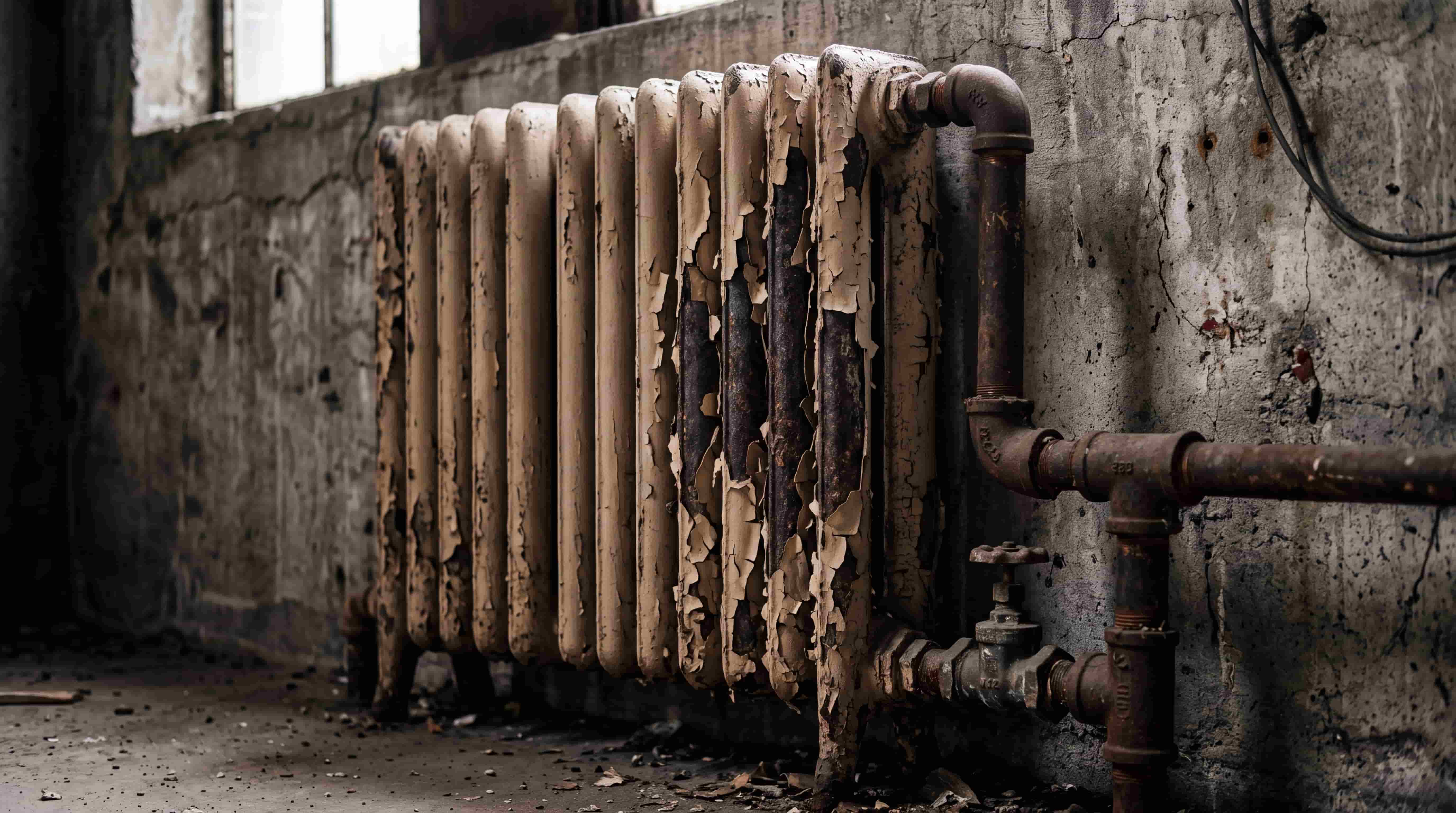
Replacing your central heating system, upgrading your boiler, or renovating a property in London almost always leaves you with the same headache: a pile of old radiators, lengths of copper or steel pipework, and assorted fittings that are too heavy to ignore and too bulky to bin. Getting rid of them legally, safely, and without paying over the odds is something thousands of London homeowners, landlords, and contractors deal with every year.
This guide cuts through the confusion. You will find everything you need to know about your disposal options, what the law requires, what your old metal could be worth, and how professional waste removal makes the whole process significantly easier.
Best Way to Dispose of Old Radiators in London
If you need to dispose of old radiators in London quickly and legally, the safest option is to use a licensed waste carrier that provides a Waste Transfer Note and sends the metal for recycling. For most households and landlords, this is faster and more practical than arranging transport to a tip or scrap yard yourself.
For targeted needs such as metal pipework disposal in London, old boiler parts removal, or scrap radiator collection in London, choose a service that can handle heavy lifting, access constraints, and compliant disposal in one visit.
Why Proper Disposal of Old Radiators and Pipework Actually Matters
Before jumping to the how, it is worth understanding the why. Old radiators and pipework are classified as metal waste under UK legislation. Fly-tipping metal waste — even on your own skip without the correct licence — can result in fines of up to £50,000 and a criminal record under the Environmental Protection Act 1990 and the Controlled Waste Regulations 2012.
Beyond the legal angle, there is a strong environmental case. Steel radiators and copper pipework are highly recyclable materials. When handled correctly, up to 95% of the metal content can re-enter the manufacturing supply chain, reducing the need for virgin ore extraction. Responsible disposal is not just a tick-box exercise — it is genuinely the right thing to do.
What Types of Metal Are We Talking About?
Understanding the materials involved helps you choose the right disposal route and assess whether your scrap has any residual value.
| Component | Typical Material | Recyclable? | Potential Scrap Value |
|---|---|---|---|
| Panel radiators | Mild steel | ✅ Yes | Low–moderate |
| Cast iron radiators | Cast iron | ✅ Yes | Moderate |
| Copper pipes | Copper | ✅ Yes | Higher value |
| Steel pipework | Mild steel | ✅ Yes | Low |
| Brass fittings | Brass | ✅ Yes | Moderate–high |
| Aluminium radiators | Aluminium | ✅ Yes | Moderate |
| Plastic-coated pipes | Mixed | ⚠️ Partial | Minimal |
Key Insight: Copper and brass components carry the highest scrap value and are always worth separating from steel before disposal.
Your Disposal Options in London: A Practical Comparison
London residents and contractors have several routes available. Each has its own advantages, costs, and practical limitations.
1. Professional Waste Removal Service
Hiring a licensed waste removal company is the most convenient and legally straightforward option — especially for larger quantities or when radiators are located on upper floors, in basements, or in confined spaces.
For quick collections across London, a man and van rubbish removal service is often the easiest way to clear heavy metal waste without arranging your own transport.
What to expect:
- A team arrives at your property with appropriate vehicles and equipment
- Radiators and pipework are safely carried out, loaded, and transported
- You receive a Waste Transfer Note (legally required proof that your waste has been handled correctly)
- Metal is taken to a licensed facility for sorting and recycling
Best for: Homeowners mid-renovation, landlords clearing properties, contractors finishing installations, anyone with multiple radiators or awkward access.
Cost: Typically charged per load or per item. Competitive rates in London often make this more cost-effective than multiple trips to a recycling centre.
2. Scrap Metal Dealer
You can take metal directly to a licensed scrap metal dealer for recycling — and in some cases receive payment for it.
Important legal requirements:
- Under the Scrap Metal Dealers Act 2013, all scrap metal transactions must be conducted by bank transfer or cheque. Cash payments for scrap metal are illegal in England and Wales.
- Dealers must record your name, address, and a form of ID before accepting material.
- Always use a dealer licensed by their local authority.
Realistic expectations:
- Copper and brass will fetch a meaningful return
- Steel radiators may be accepted for free or for a small charge
- Mixed loads with plastic, rubber, or other non-metal materials may be refused or charged
Best for: Contractors or tradespeople with separated, clean metal in sufficient quantity to justify transport.
3. Local Authority Household Waste Recycling Centres (HWRCs)
London boroughs operate Household Waste Recycling Centres (commonly called tips or dumps) where residents can dispose of metal waste free of charge.
Key considerations:
- Free for residents with proof of residency for the correct borough
- Most centres accept radiators and pipework in the metal skip
- Van and trailer permit restrictions apply — many London HWRCs now require a permit for vans, even for private use
- Weight and quantity limits may apply for single visits
- Opening hours vary; check your borough's website before travelling
- Not suitable for trade or commercial waste — contractors cannot use HWRCs for business waste
Find your nearest centre:
- Recycle for London lists all HWRC locations by borough
Best for: Small volumes from a single domestic property where you have the means to transport the material safely.
4. Kerbside Bulky Waste Collection
Most London boroughs offer a bulky waste collection service for large household items. However, radiators and pipework occupy a grey area — policies differ significantly between boroughs.
- Some boroughs include metal heating components in bulky collections
- Others classify them as construction or renovation waste and exclude them
- Fees typically range from £20–£60 depending on the borough and number of items
- Collection slots can be booked weeks in advance
Check directly with your borough council before assuming this option is available to you.
5. Skip Hire
Hiring a skip is a common choice during large renovations, but there are important restrictions to be aware of.
- Radiators and pipework can be placed in a general skip provided the skip operator accepts metal waste
- Some operators prefer metal to be kept separate for recycling efficiency
- If the skip is placed on a public highway, you need a skip permit from the local council
- Mixed loads cost more to process — separating metal from general rubbish is good practice
Where on-road skip permits are a problem, a wait and load skip hire alternative is usually faster and avoids permit delays in many London boroughs.
Skip hire works well when you already have one for other renovation waste, but it is rarely the most economical choice purely for metal removal.
If your radiator removal is part of a bigger refurb, a building waste clearance service can be more flexible than hiring a separate skip just for mixed renovation debris.
Which Waste Removal Service Fits Your Job?
Choosing the right service improves both cost and compliance:
- Single or multiple heavy radiators: Man and van waste collection is usually the quickest option.
- Full domestic clear-out with mixed items: House clearance is often more efficient than booking separate pickups.
- Refurbishment waste with plasterboard, timber, and metal: Building waste clearance is typically the best fit.
- Lead pipes or contaminated materials: Hazardous waste specialists are required.
- No skip permit or limited loading time on busy roads: Wait-and-load services are usually easier to schedule in London.
This service-first approach helps you match disposal method to the actual waste stream, not just the item type.
Step-by-Step: How to Dispose of Old Radiators Properly
Whether you are a homeowner or a professional, following a structured process avoids costly mistakes.
Step 1 — Drain and Isolate the System First
Before any radiator or pipework is removed, ensure the central heating system is fully drained and isolated. Never attempt removal on a live system. If in doubt, engage a Gas Safe registered engineer or qualified plumber.
Step 2 — Assess the Volume and Type of Material
Count your radiators, estimate total weight, and identify the metal types. This determines your best disposal route and helps you get accurate quotes.
Step 3 — Separate Metals Where Possible
If you can separate copper pipe from steel radiators and brass fittings, do so. This maximises any potential scrap value and simplifies processing.
Step 4 — Drain Residual Water and Remove Sludge
Central heating systems contain magnetite sludge — a black, metallic mixture of corroded metal and chemical inhibitors. This must be handled carefully and cannot be tipped down household drains in large quantities. A professional removal service will handle this correctly.
Step 5 — Choose Your Disposal Route
Match your volume, location, budget, and access constraints to the most appropriate option from the comparison above. For mixed residential jobs, house clearance can simplify collection when metal waste is only one part of the load.
Step 6 — Obtain and Retain Documentation
If using a professional service or scrap dealer, always keep your Waste Transfer Note or receipt. This is your proof of legal disposal and protects you if any issues arise later.
Can You Sell Old Radiators Instead of Scrapping Them?
It depends on the condition. Cast iron radiators in particular have a strong second-hand market in London — period properties, refurbishment projects, and heritage renovations all create demand for original Victorian and Edwardian radiators.
Platforms to consider:
- Preloved, eBay, or Facebook Marketplace for individual sales
- Architectural salvage yards across London (always call ahead)
- Reclamation dealers who buy in bulk from contractors
Standard modern panel radiators rarely have resale value unless they are relatively new and undamaged. Be realistic — a 15-year-old pressed steel radiator is a recycling project, not a resale opportunity.
Common Mistakes to Avoid
❌ Leaving radiators on the pavement — this is fly-tipping and carries a fixed penalty notice starting at £400 in London, rising to prosecution for repeat offences.
❌ Assuming a general rubbish collection will take them — standard council collections do not include bulky metal items.
❌ Using an unlicensed waste carrier — if someone offers to take your metal for cash and cannot produce a Waste Carrier Licence, refuse. Any fly-tipping traced back to your property can result in you receiving the fine, not the carrier.
❌ Pouring heating system water down the drain — small quantities are generally acceptable, but large volumes of chemically treated or heavily contaminated heating water should be managed professionally.
❌ Ignoring lead pipework — older London properties built before the 1970s may contain lead pipes. Lead requires specialist handling and disposal under separate regulations. Flag this immediately if discovered.
If lead or contaminated materials are present, use a licensed hazardous waste collection and disposal provider rather than standard metal recycling routes.
How Much Does Radiator Disposal Cost in London?
Costs vary depending on volume, location within London, access, and service type.
| Disposal Method | Approximate Cost | Notes |
|---|---|---|
| HWRC (household tip) | Free | Residents only, transport required |
| Bulky collection (council) | £20–£60 | Borough-dependent, limited items |
| Professional waste removal | £60–£200+ per load | Includes labour, transport, legal disposal |
| Skip hire (small skip) | £150–£300 | Additional permit cost if on road |
| Scrap metal dealer | £0 to small payment | Copper/brass may earn a return |
For most London homeowners and landlords dealing with a full central heating replacement, professional waste removal delivers the best balance of convenience, legality, and cost, particularly when radiators need to be carried out of a property.
Why Choose a Licensed Waste Removal Service in London?
The difference between a reputable, licensed waste carrier and an unlicensed operator is not just about price — it is about legal protection, environmental responsibility, and peace of mind.
A licensed professional service will:
✅ Hold a Waste Carrier Licence issued by the Environment Agency
✅ Provide a Waste Transfer Note for every collection
✅ Transport materials to a licensed Metal Recycling Facility (MRF)
✅ Handle awkward access — stairs, basements, narrow corridors
✅ Remove all associated materials, not just the radiators
✅ Operate fully insured
If you are based in London and need radiators, pipework, or any metal waste removed quickly and professionally, Waste Removal London offers reliable, competitively priced collection with full legal compliance.
Frequently Asked Questions
Can I put old radiators in a skip?
Yes, most skip hire companies accept steel and cast iron radiators. Confirm with your operator beforehand and separate metals from other waste where possible for more efficient processing.
Are old radiators worth anything as scrap?
Cast iron and aluminium radiators have moderate scrap value. Standard steel panel radiators have minimal value. Copper and brass pipework and fittings are more valuable and worth separating.
Is it illegal to leave radiators outside for collection?
Leaving items on a public pavement without prior arrangement with your council is classed as fly-tipping under UK law and can result in fines or prosecution.
Do I need a Waste Transfer Note for radiator disposal?
If you are using a professional waste carrier or handing material to a licensed dealer, yes. The carrier is required by law to issue one and you should retain it for at least two years.
Can a plumber take away old radiators?
Some plumbers will remove and dispose of old radiators as part of their service, but they must hold a Waste Carrier Licence to do so legally. Always confirm this before agreeing.
What should I do with old lead pipes found in a London property?
Lead pipes require specialist handling. Contact a licensed waste removal company experienced with hazardous materials and do not attempt to dispose of them through standard scrap or recycling routes without guidance.
How quickly can old radiators be collected in London?
Professional waste removal companies in London typically offer same-day or next-day collection. Book early during peak renovation periods (spring and autumn) when demand is higher.
Who provides scrap radiator collection in London for homes and landlords?
Use a licensed London waste removal provider that offers radiator and metal pipework collection, issues Waste Transfer Notes, and routes recyclable metal to authorised facilities.
Key Takeaways
- Old radiators and metal pipework are recyclable metal waste subject to UK environmental law
- Fly-tipping metal waste carries fines up to £50,000 and potential criminal prosecution
- Your main disposal options are: professional waste removal, licensed scrap dealers, council HWRCs, bulky waste collection, and skip hire
- Cash payment for scrap metal is illegal under the Scrap Metal Dealers Act 2013
- Always request and retain a Waste Transfer Note from any licensed carrier
- Copper and brass components carry the highest scrap value and should be separated
- For most London properties, professional waste removal is the most practical, legally sound, and efficient solution
- Older London properties may contain lead pipes requiring specialist disposal
Need your old radiators and pipework removed in London? Get a fast, no-obligation quote from Waste Removal London — licensed, insured, and available across all London boroughs.