London is entering one of the most significant shifts in household waste management it has seen in decades. The UK Government's Simpler Recycling initiative — which came into effect in stages from March 2025 and extends fully into 2026 — is reshaping how millions of Londoners sort, store, and dispose of their waste.
If you've noticed changes in your council's collection schedule, received new guidance about which materials go in which bin, or simply have questions about what this overhaul actually means in practice, this guide covers everything you need to know.
What London Households Should Do Now
To stay compliant with Simpler Recycling in London 2026, separate food waste weekly, keep dry recycling clean and loose, and avoid putting bulky, electrical, or renovation waste in standard household bins. For waste streams outside normal council collections, London households typically use services such as same-day rubbish removal, house clearance, man and van rubbish removal, general waste collection, and building waste clearance.
What Is the Simpler Recycling Initiative?
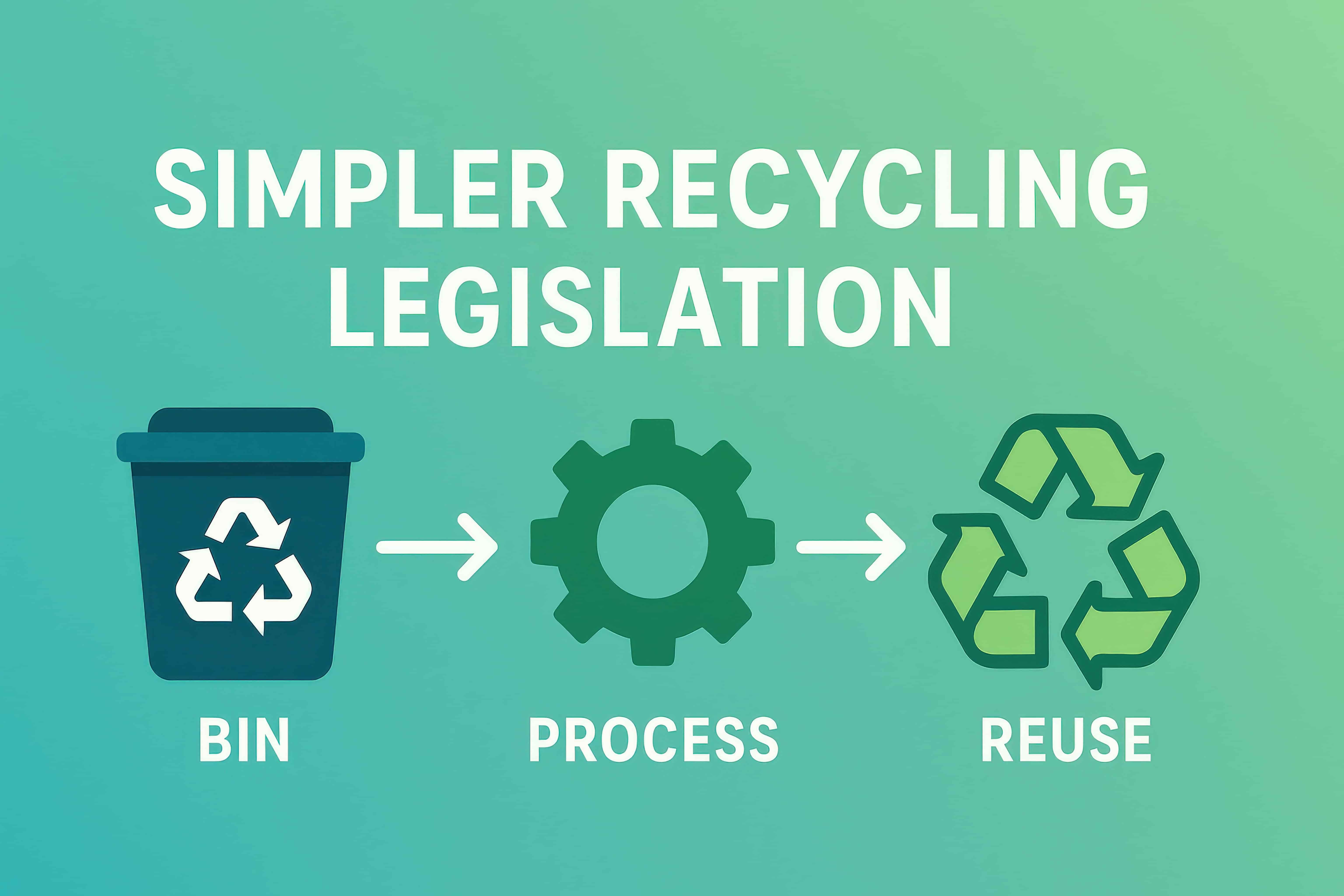
Simpler Recycling is a UK Government policy introduced under the Environment Act 2021, designed to standardise recycling across England. The aim is to eliminate the confusing patchwork of local recycling rules that has long frustrated households and reduced recycling rates.
Previously, what you could recycle depended almost entirely on where you lived. A household in Hammersmith might accept plastic film, while one in Hackney might not. Simpler Recycling changes this by mandating a consistent set of recyclable materials that every council in England — including all 33 London boroughs — must collect.
The Core Principle
Every household in England should be able to recycle the same materials, regardless of which local authority collects their waste.
This creates a unified recycling baseline, making compliance easier for residents and improving the quality and quantity of recyclable materials recovered nationally.
Key Dates: When Do the Changes Take Effect?
Understanding the rollout timeline is essential for London households and businesses alike.
| Phase | Date | What Changes |
|---|---|---|
| Phase 1 – Non-household premises | 31 March 2025 | Businesses, schools, and offices must separate recyclables |
| Phase 2 – Households | 31 March 2026 | All English households must have access to consistent recycling collections |
| Food Waste – Households | 31 March 2026 | Separate weekly food waste collection mandatory for all households |
| Food Waste – Flats & HMOs | 31 March 2027 | Extended deadline for flats and houses in multiple occupation |
For most London residents in houses, the critical date is 31 March 2026. For those in flats, local authorities have until March 2027 to implement food waste collections — though many London boroughs are pushing ahead earlier.
What Materials Must Be Collected Under Simpler Recycling?
From March 2026, all London local authorities must collect the following materials separately from general household waste:
♻️ Dry Recyclables (collected together or separately)
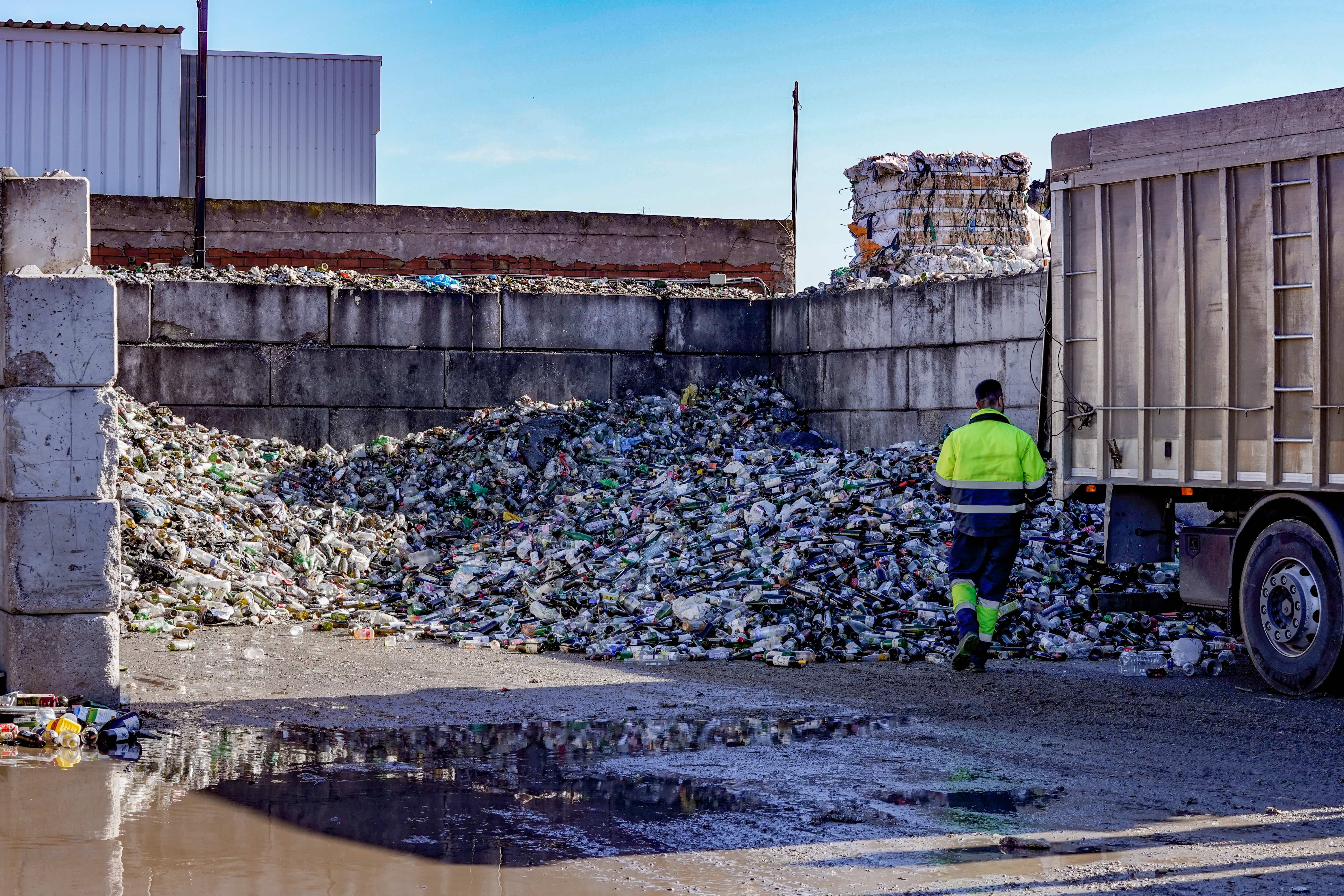
- Glass – bottles and jars
- Metal – tins, cans, aerosols, aluminium foil
- Plastic – bottles, pots, tubs, trays, and — crucially — plastic film and bags
- Paper – newspapers, magazines, envelopes
- Card – cardboard boxes, cardboard packaging
🍎 Food Waste (collected separately, weekly)
- All cooked and uncooked food scraps
- Meat, fish, dairy, bread, fruit, vegetables
- Tea bags and coffee grounds
🌿 Garden Waste (where applicable)
Garden waste collection remains a discretionary charge in many boroughs, but must be collected separately where offered.
What's New for London Households in 2026?
1. Plastic Film and Flexible Plastics Are Now Kerbside Recyclable
This is arguably the biggest change for most households. Plastic film — including carrier bags, bread bags, cling film, and soft plastic packaging — must now be accepted in kerbside collections under Simpler Recycling.
Previously, Londoners had to take soft plastics to supermarket collection points. From March 2026, councils must provide a pathway to collect these materials, either via the kerbside or a nearby alternative.
2. Mandatory Weekly Food Waste Collections
If your borough hasn't already introduced it, a separate weekly food waste collection becomes mandatory from March 2026. This is significant: the UK wastes around 9.5 million tonnes of food annually, with household food waste being a major contributor.
London boroughs including Ealing, Bromley, and Lewisham already collect food waste weekly. Others, including some inner-city boroughs, are in the process of rolling out the infrastructure.
Your council will typically provide:
- A small indoor kitchen caddy (usually 5–7 litres)
- A larger outdoor food waste bin or collection container (typically 23 litres)
- Compostable liner bags (in many cases, free of charge initially)
3. Consistent Bin Separation Rules Across Boroughs
The days of guessing whether your borough accepts a particular type of plastic should, in theory, be behind us. Simpler Recycling introduces a national baseline, meaning the core recyclables listed above must be accepted everywhere.
However, London boroughs may still offer additional services beyond the baseline — such as textile collections or bulky waste — so it's always worth checking your borough's specific guidance.
How Each London Borough Is Responding
London's 33 boroughs are at different stages of implementation. Here's a general overview:
| Borough Group | Status (as of mid-2026) |
|---|---|
| Early adopters (e.g., Ealing, Sutton, Kingston) | Food waste and expanded plastics already in operation |
| Active rollout (e.g., Islington, Southwark, Tower Hamlets) | Infrastructure deployment underway, new bins being distributed |
| Later implementation (e.g., some inner-London boroughs) | Compliance frameworks in place, full rollout ongoing |
Check your specific borough's website for exact collection days, bin types, and any local exemptions or additions.
What Happens to Waste That Doesn't Fit the New System?
Simpler Recycling handles the materials most households generate regularly. But what about the items that fall outside the standard bins?
Items Not Covered by Simpler Recycling Collections
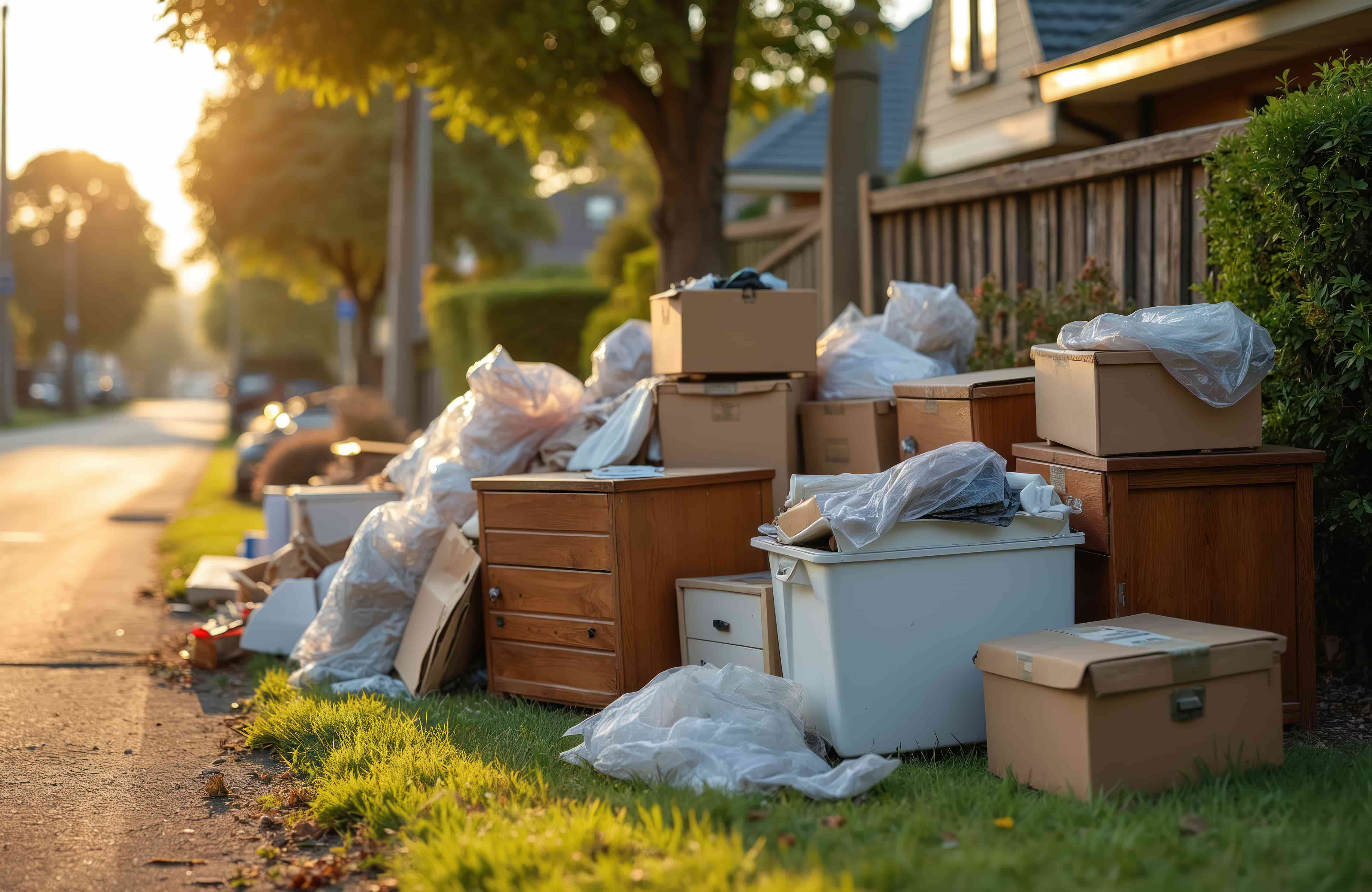
- Bulky waste – old furniture, mattresses, large appliances
- Electrical items (WEEE) – TVs, computers, small appliances
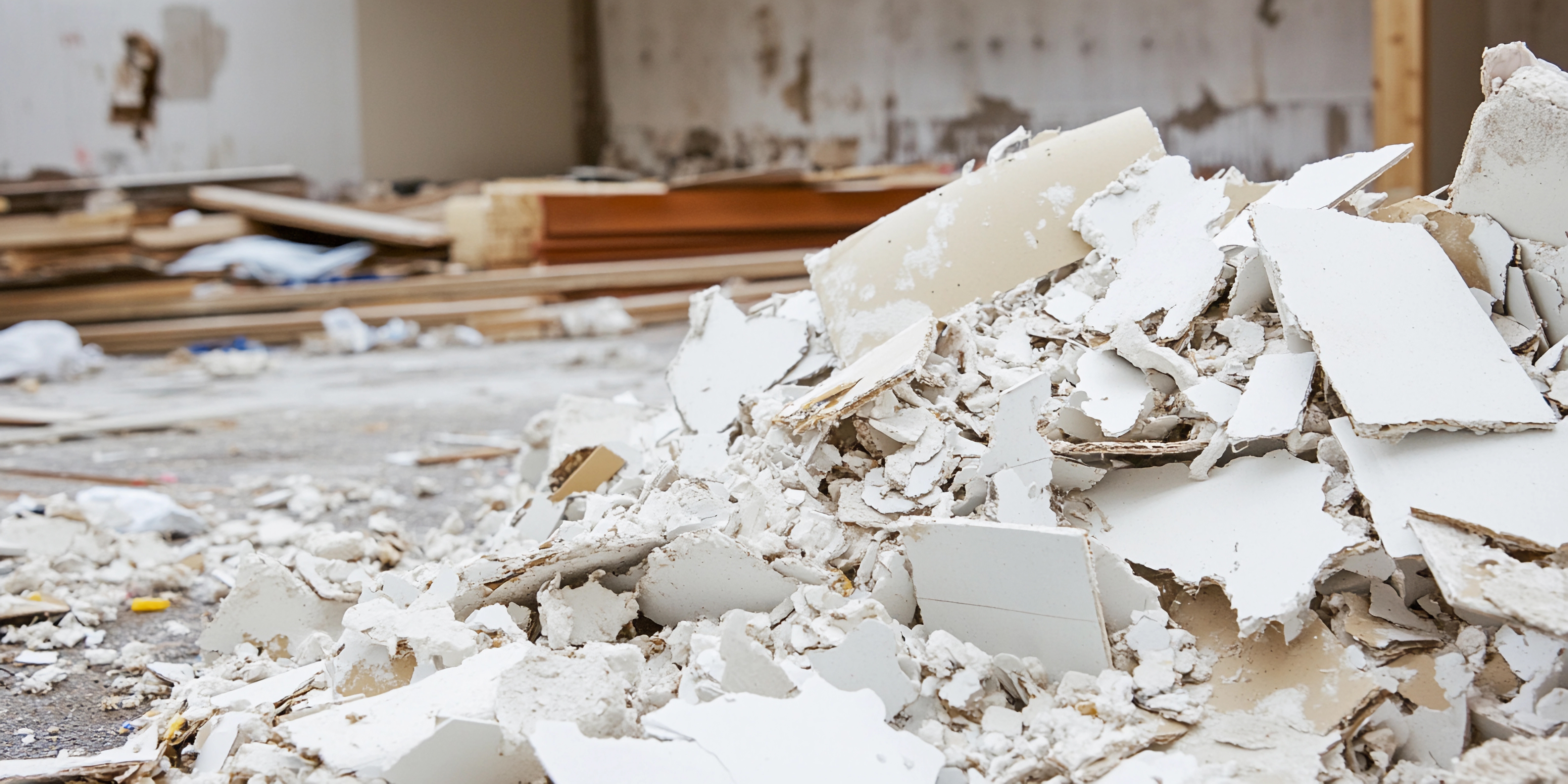
- Construction and renovation waste – rubble, plasterboard, wood
- Hazardous household waste – paint, solvents, batteries (in large quantities)
- Large-scale garden clearance
- Garage and loft clearance waste
For these materials, residents have several options:
- Book a bulky waste collection through your borough council (often charged per item)
- Visit a Household Waste Recycling Centre (HWRC) — London has around 20 sites
- Use a licensed waste removal service for larger volumes or mixed loads
If you're undertaking a house clearance, renovation, or large-scale garden project, a professional waste collection service is typically the most efficient and cost-effective solution. At house clearance services in London, we handle everything from single-item removals to full property clearances — fully licensed and compliant with all UK waste regulations.
How to Prepare Your Home for the 2026 Changes
Getting ready for Simpler Recycling doesn't have to be complicated. Here's a practical checklist:
✅ Household Recycling Checklist for 2026
- Register with your borough for food waste collection if not already enrolled
- Set up a kitchen caddy near your food prep area
- Label your bins clearly to avoid contamination — this remains the biggest issue in UK recycling
- Check your borough's updated A–Z recycling guide — most councils publish these online
- Stop placing soft plastics in general waste — collect them for kerbside pickup
- Rinse food packaging before placing in recycling — contamination leads to whole loads being rejected
- Flatten cardboard to maximise space in recycling bins
- Book a bulky waste collection or clearance for any large items that have been building up
Common Recycling Mistakes to Avoid in 2026
Even with a clearer system, contamination remains the number one reason recyclable materials end up in landfill. Here are the most frequent errors:
| Mistake | Why It's a Problem | What to Do Instead |
|---|---|---|
| Putting greasy pizza boxes in recycling | Grease contaminates paper bales | Tear off clean top, bin the greasy base |
| Bagging recyclables in black bin bags | Bags can't be sorted — entire load rejected | Place items loose in recycling bin |
| Recycling sharp or bladed items | Safety hazard for collection workers | Wrap safely and place in general waste |
| Food-soiled plastic pouches in recycling | Contamination ruins the batch | Rinse thoroughly or place in food waste |
| Black plastic trays | Often not detectable by sorting equipment | Check local guidance — many boroughs now accept these |
| Wishful recycling (putting in items you hope can be recycled) | Contaminates entire loads | When in doubt, check your borough's guide or leave it out |
The Bigger Picture: Why Simpler Recycling Matters
Environmental Impact
England currently recycles approximately 44% of household waste. The Government's target under Simpler Recycling is to increase this significantly, with ambitions aligned to the UK's broader net-zero commitments.
Mandatory food waste collection alone could divert millions of tonnes of organic material from landfill annually, significantly reducing methane emissions — one of the most potent greenhouse gases.
Economic Impact
Extended Producer Responsibility (EPR) — a parallel policy — will require packaging manufacturers to fund local recycling infrastructure. This should, over time, reduce the financial pressure on London boroughs and potentially subsidise better services for residents.
What About Flats, HMOs, and Communal Living?
This is where implementation becomes more complex in London, given the high density of apartment buildings and houses in multiple occupation (HMOs).
Key Points for Flat Dwellers
- Food waste collections for flats are not mandatory until 31 March 2027
- Many London boroughs are voluntarily extending services earlier
- Communal bin systems must still be adapted to separate the core dry recyclables by March 2026
- Landlords and managing agents have responsibilities to facilitate access to compliant waste systems
If you manage a rental property or HMO in London and are unsure about your obligations, or need assistance with a large-scale rubbish removal or clearance to prepare a property, our man and van rubbish removal service provides professional, licensed support tailored to landlords and property managers.
How Professional Waste Removal Services Complement Simpler Recycling
Simpler Recycling handles what goes in your weekly bins. But it doesn't cover everything.
Professional waste removal services remain essential for:
- House and flat clearances – especially during moves or estate clearances
- Renovation and building waste – skip hire or grab lorry collections
- Garden clearances – when more than a few bags of green waste are involved
- Office and commercial clearances – now subject to their own Simpler Recycling obligations
- End-of-tenancy clearances – a common need across London's private rental sector
A licensed waste carrier will ensure your items are disposed of legally and responsibly — with maximum diversion away from landfill and towards recycling and reuse. Fly-tipping remains a serious offence in the UK, carrying fines of up to £400 on the spot, or prosecution and unlimited fines for businesses.
Service Match by Waste Type (London)
| Waste Scenario | Most Relevant Service Type | Why It Fits |
|---|---|---|
| Urgent mixed household waste after a move | Same-day rubbish removal London | Fast collections when council lead times are too long |
| Full property declutter before sale or tenancy | House clearance London | Efficient for furniture, mixed household loads, and bulky items |
| Access-restricted streets or smaller staged clear-outs | Man and van rubbish removal London | Flexible loading windows and practical for London properties |
| Ongoing mixed non-recyclable loads | General waste collection London | Predictable, compliant collection for residual waste |
| Rubble, plasterboard, timber, and renovation debris | Building waste clearance London | Designed for dense construction and refurbishment materials |
Key Takeaways
- Simpler Recycling standardises what all English households can recycle, eliminating the postcode lottery of recycling rules.
- March 2026 is the primary deadline for household collections, including mandatory weekly food waste collection.
- Soft plastics and plastic film must now be accepted in kerbside collections — a major change for most Londoners.
- Flats and HMOs have an extended food waste deadline of March 2027.
- Contamination remains the biggest threat to recycling success — rinse, sort, and check before you bin.
- Items outside the scope of weekly collections — bulky waste, renovation debris, large clearances — require council bookings or a licensed waste removal service.
- Fly-tipping is illegal and carries serious penalties — always use a licensed waste carrier.
Frequently Asked Questions (FAQ)
What is Simpler Recycling in London?
Simpler Recycling is a UK Government policy that standardises recycling collections across all English local authorities, including all 33 London boroughs. From March 2026, all councils must collect the same core set of recyclable materials — glass, metal, plastic (including soft plastics), paper, card, and food waste — separately from general waste.
When does Simpler Recycling start for London households?
The household phase of Simpler Recycling begins on 31 March 2026. Food waste collections for flats and HMOs have an extended deadline of 31 March 2027.
Will I get new bins under Simpler Recycling?
Many London boroughs are distributing new bins, caddies, or containers to facilitate the changes — particularly kitchen food waste caddies and outdoor food waste bins. Contact your local council to find out what equipment will be provided and when.
Can I recycle plastic bags and soft plastics in my kerbside bin now?
Under Simpler Recycling, yes — from March 2026, local authorities must provide a way to collect soft plastics and plastic film at or near the kerbside. Check your borough's specific guidance for exact arrangements.
What happens if I put the wrong thing in my recycling bin?
Contaminated recycling loads can be rejected entirely and sent to landfill or incineration. Persistent contamination can also result in enforcement action by councils. Always check your borough's recycling guide if you're unsure.
How do I dispose of large or bulky items in London in 2026?
Bulky items not covered by standard collections — furniture, mattresses, white goods — can be collected via your borough's bulky waste service (often for a fee) or taken to a Household Waste Recycling Centre. For larger volumes, a licensed general waste collection service in London is often the fastest and most convenient option.
Is food waste collection free in London?
In most cases, yes — the mandatory food waste collection service for households is provided free of charge by local authorities. However, garden waste collection may still carry an annual subscription fee in some boroughs.
What is the penalty for fly-tipping in London?
Fly-tipping is a criminal offence. Fixed penalty notices range from £400 to £1,000 for individuals. Courts can impose unlimited fines and even prison sentences for serious offences. Businesses that use unlicensed carriers to dispose of waste can also face prosecution.
Need Help With Waste That Goes Beyond the Bin?
Simpler Recycling makes everyday household recycling clearer — but life generates more than just weekly bin loads. Whether you're clearing a property, managing a renovation, or simply have accumulated waste that doesn't fit the new system, Waste Removal London provides fast, affordable, and fully licensed waste collection across all London boroughs.
👉 Get a free quote for same-day rubbish removal in London — same-day and next-day collections available across London.
This article was produced by the team at building waste clearance specialists in London, a licensed waste carrier operating across all London boroughs. Information is based on UK Government Simpler Recycling guidance and local authority implementation data current as of August 2026.