London's approach to household waste and recycling is undergoing one of its most significant overhauls in over a decade. As the UK Government's simpler recycling legislation rolls out across England, and the Mayor of London's waste strategy pushes boroughs toward 65% recycling rates by 2030, homeowners across the capital are facing new rules, new bin collections, and new responsibilities.
Whether you're in Hackney, Hammersmith, or Havering — these changes affect you.
This guide breaks down exactly what's changing, what it means for your household, and what to do when the rules catch you off guard with items your council simply won't collect.
What London Homeowners Need to Do in 2026
If you want to stay compliant with London's 2026 recycling rules, separate food waste weekly, keep dry recycling clean and loose, and never place electricals or DIY waste in general bins. For items councils do not collect quickly, use licensed services such as same-day rubbish removal, house clearance, builders waste clearance, or WEEE disposal.
Best Service Option by Waste Type
Use this quick matching guide to choose the right service fast:
- Mixed household clutter after a move: House clearance
- Urgent large-item pickup: Same-day rubbish removal
- Electricals and cable-heavy loads: WEEE disposal
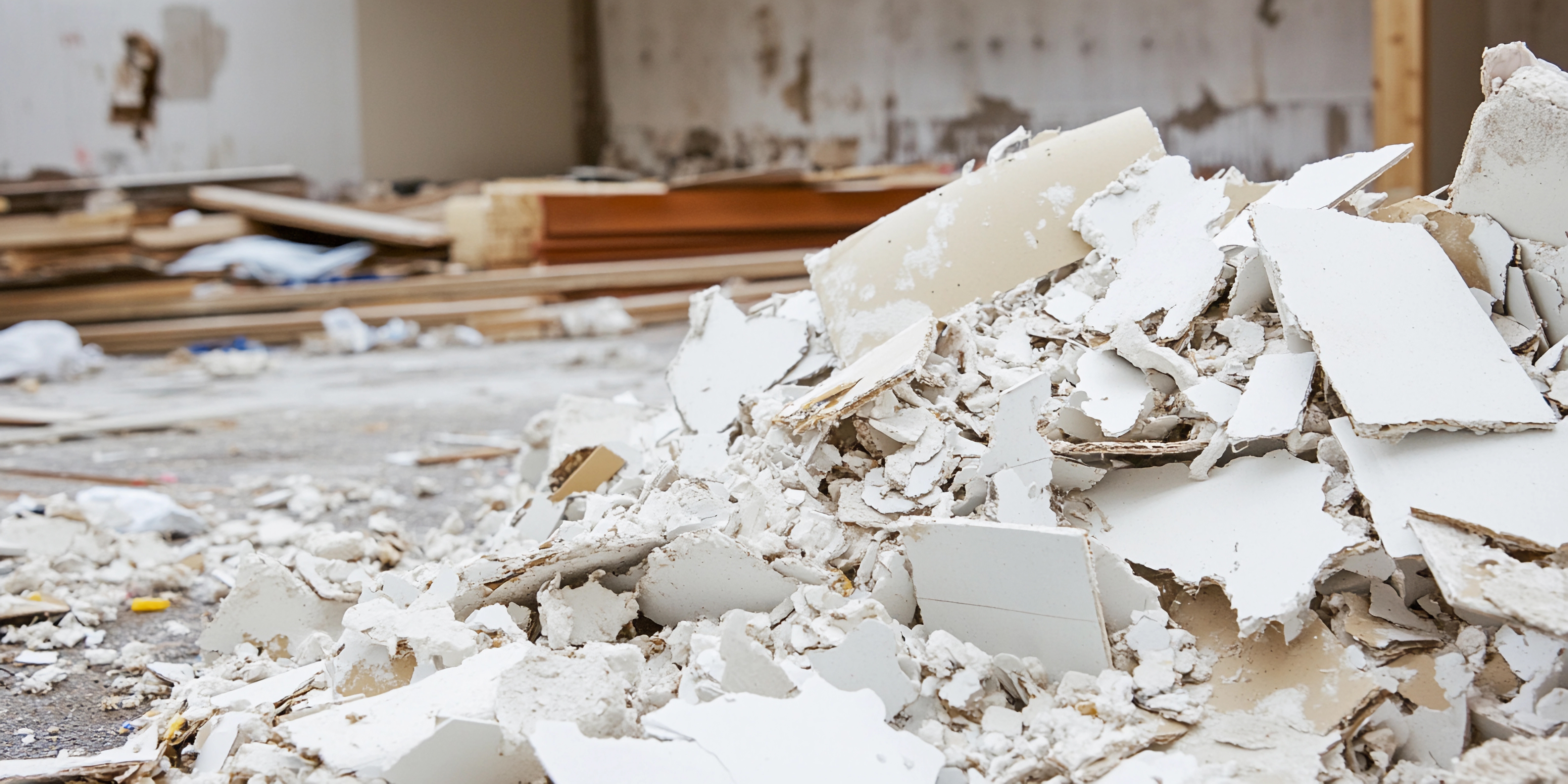
- Renovation debris (rubble, plasterboard, timber): Builders waste clearance
- Small-to-medium flexible collections: Man and van rubbish removal
This service-led approach helps residents choose legal, practical disposal routes and avoids delays, contamination rejections, and fly-tipping risks.
What Are the New Recycling Rules in London for 2026?
The 2026 recycling reforms stem from the UK Government's Simpler Recycling legislation under the Environment Act 2021. The core goal is consistency: for too long, Londoners could never be sure whether their borough collected glass kerbside, or whether plastic film was accepted, or how to dispose of food waste properly.
From 2026 onwards, all London boroughs are required to collect the following materials separately:
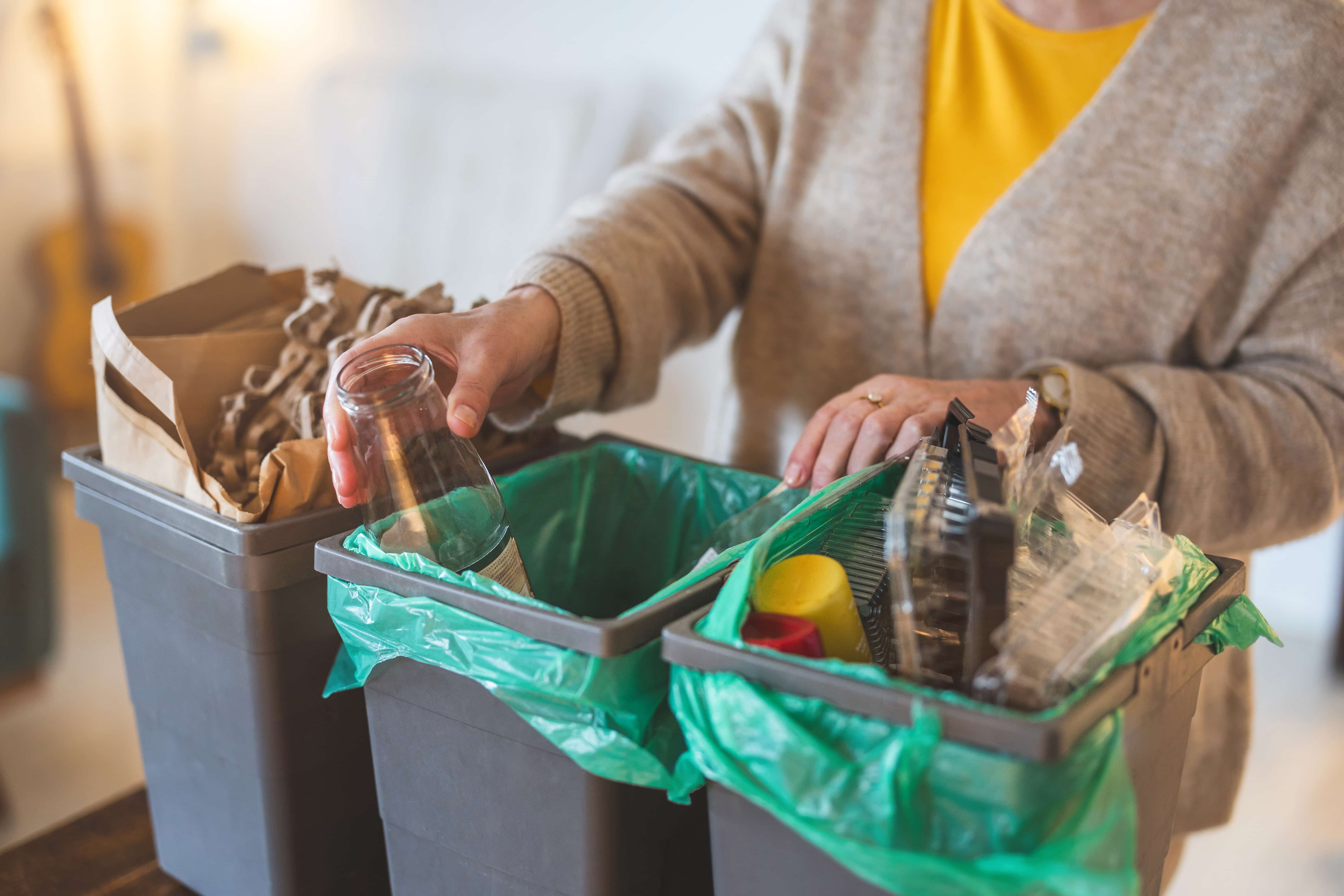
- Dry recyclables: Paper, card, plastic, metal, and glass
- Food waste: Collected separately from general waste
- Garden waste: Available as an add-on service in most boroughs
- Residual waste: Whatever genuinely cannot be recycled
Key Definition — Simpler Recycling: A government-mandated framework requiring consistent recycling collection across all English local authorities, making it easier for residents to know what to recycle regardless of their postcode.
The Biggest Changes Affecting London Homeowners in 2026
1. Weekly Food Waste Collections Are Now Standard
This is the change that will affect the most households. Previously, only around half of London's 33 boroughs collected food waste separately. From 2026, all London boroughs must offer weekly food waste collection to households.
What this means for you:
- You'll receive (or may have already received) a small kitchen caddy and a larger outdoor bin
- Food waste must be separated from general waste
- Contaminating your food waste bin with non-food items could result in your collection being refused
- Councils may issue advisory notices or fines for persistent contamination
What can go in your food waste bin?
| Accepted | Not Accepted |
|---|---|
| Cooked and raw meat and fish | Liquids (oils, sauces in large quantities) |
| Fruit and vegetable peelings | Packaging of any kind |
| Bread, pasta, rice | Garden waste |
| Dairy products and eggshells | Cat litter or pet waste |
| Tea bags (some councils) | Non-biodegradable materials |
2. Consistent Dry Recycling Across All Boroughs
One of the most confusing aspects of London recycling has been borough-to-borough inconsistency. In 2026, the government-mandated categories mean that all dry recyclables must be collected, including:
- All plastics (rigid plastics, including pots, tubs, and trays — not just bottles)
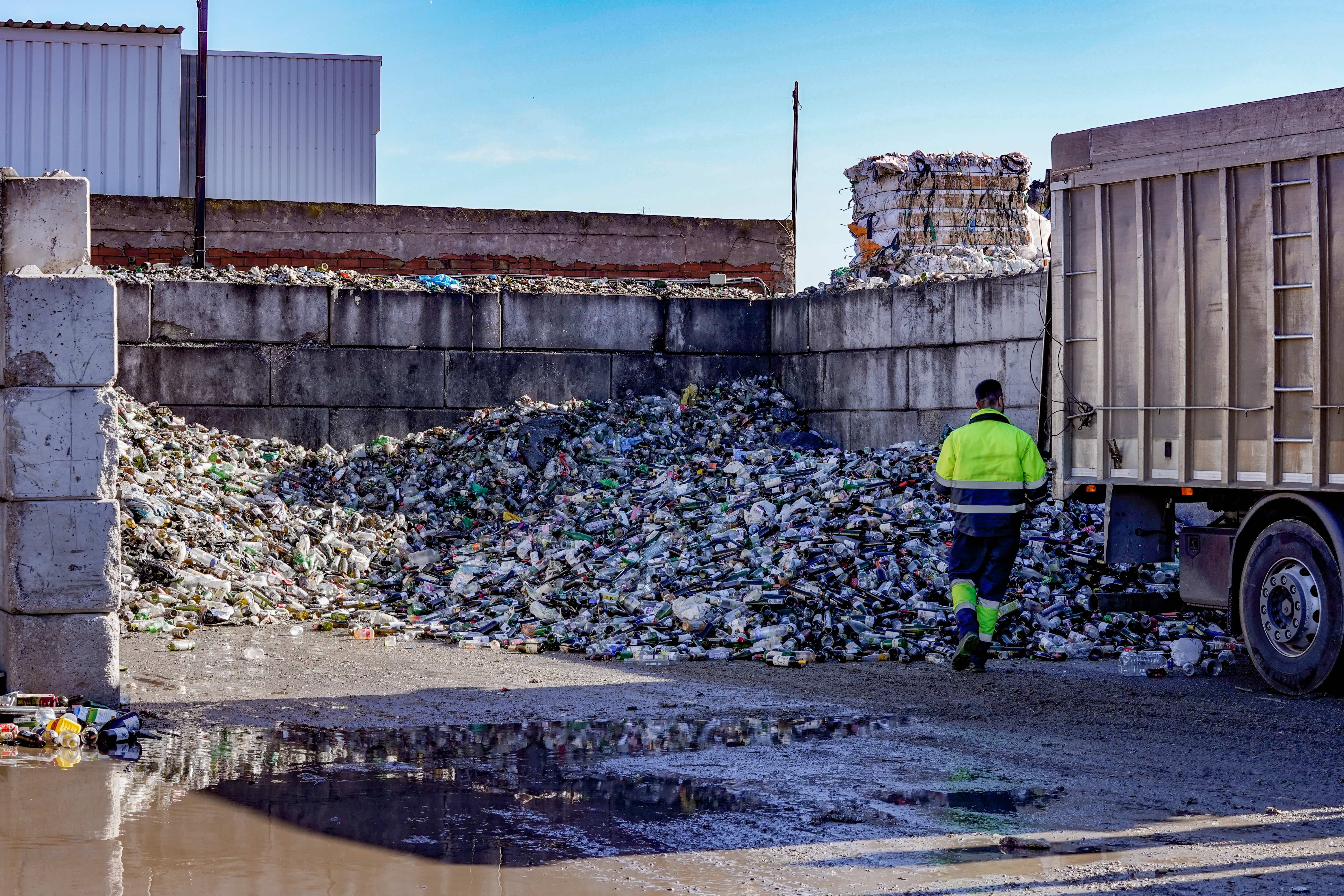
- Glass (though collection method may vary — kerbside box or communal bring bank)
- Paper and cardboard
- Steel and aluminium cans and foil
What's still not accepted in recycling bins:
- Black plastic (some councils still can't process it)
- Plastic film and bags (though this is changing — see below)
- Polystyrene
- Heavily soiled food packaging
3. Plastic Film Recycling — Coming Soon to Kerbside
As of 2026, plastic film recycling from kerbside collections remains in rollout phase across London boroughs. However, supermarket drop-off points across the capital now accept:
- Carrier bags and bread bags
- Cling film (clean and dry)
- Cereal box liners
- Bubble wrap
Check the Recycle Now film locator for your nearest drop-off point in London.
4. Changes to Bulky Waste and Large Item Collections
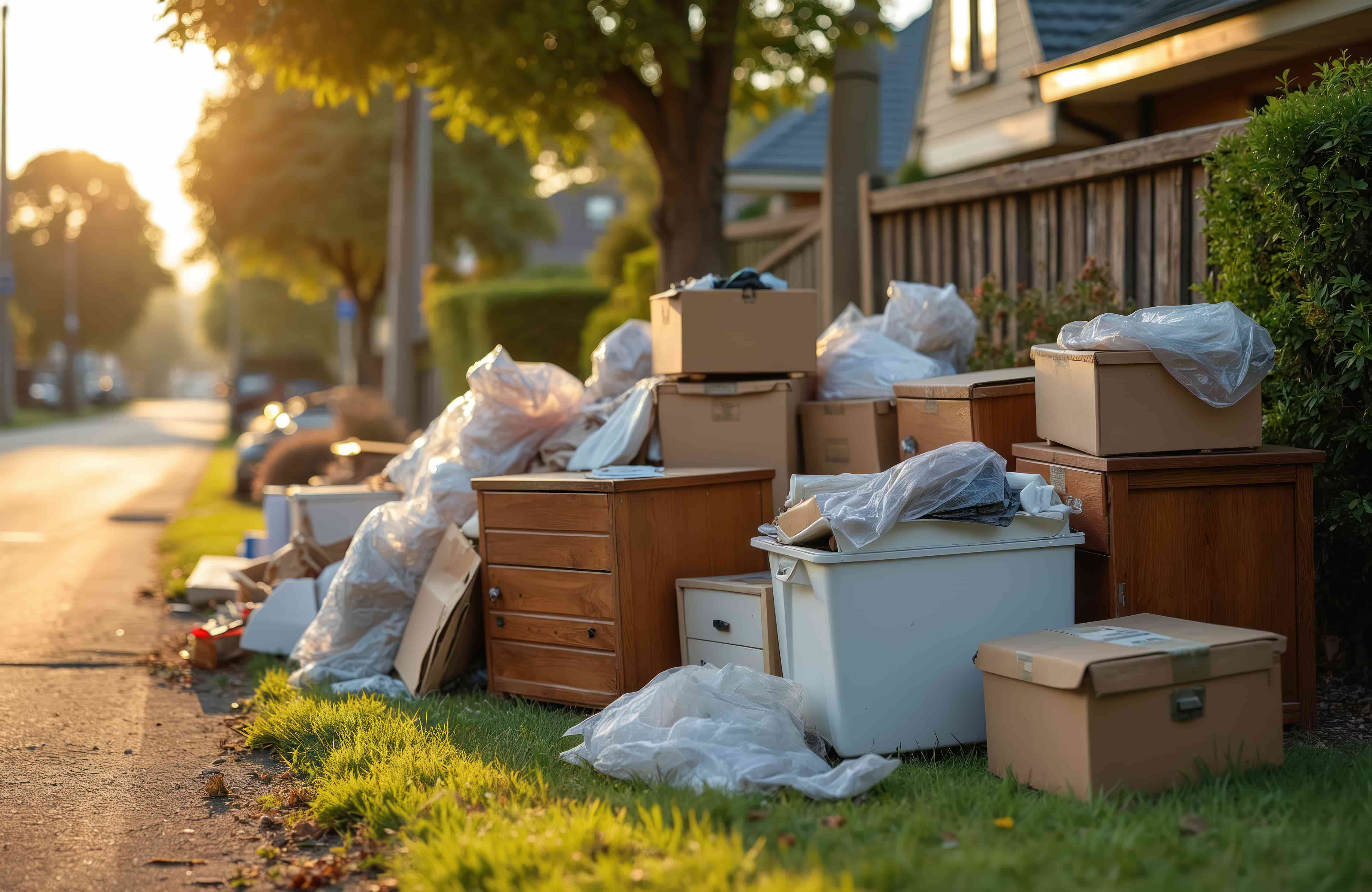
This is where many London homeowners get caught out. Council bulky waste collections exist in every borough, but in 2026, several key restrictions apply:
- Most boroughs now charge for bulky waste collections (typically £20–£45 per item)
- Waiting times have increased — often 2–6 weeks
- You are limited on how many items can be collected per booking
- Items left on the pavement without a booking can result in a fixed penalty notice of up to £400
Items typically classed as bulky waste:
- Sofas and armchairs
- Mattresses
- White goods (washing machines, fridges, cookers)
- Large garden equipment
If you have multiple large items to remove — after a house clearance, renovation, or declutter — waiting weeks for a council slot simply isn't practical. Professional same-day rubbish removal in London offers fast collection with responsible, licensed disposal.
5. WEEE (Electrical Waste) Disposal Rules Tightened
The disposal of waste electrical and electronic equipment (WEEE) is now more strictly enforced in London. It is illegal to place any electrical item — no matter how small — in your general waste bin.
This includes:
- Old mobile phones and tablets
- Broken small kitchen appliances
- Christmas lights and cables
- Electric toothbrushes and shavers
Where to dispose of electrical waste in London:
- Your local Household Waste Recycling Centre (HWRC / tip)
- In-store take-back schemes (retailers over 400m² are legally required to accept old electricals)
- Dedicated WEEE collection drives run by boroughs
- Licensed WEEE disposal in London providers who sort and recycle electrical waste responsibly
Borough-by-Borough: What's Changed in Your Area?
While the national Simpler Recycling framework creates consistency, London boroughs retain some local control over how services are delivered. Here's a snapshot of what's happening across the capital:
| Borough | Food Waste Collection | Glass Kerbside | Notes |
|---|---|---|---|
| Camden | Yes (2025 rollout complete) | Communal banks | Fortnightly recycling |
| Hackney | Yes | Yes (box collection) | New caddy issued 2025 |
| Lambeth | Yes | No — bring banks | Checking contamination |
| Southwark | Yes | Yes | Weekly food waste |
| Tower Hamlets | Yes | No — bring banks | Stricter bin rules 2026 |
| Hammersmith & Fulham | Yes | Yes | New collection rounds |
| Barnet | Yes | Yes | Garden waste charge applies |
| Croydon | Yes | No — bring banks | Council app for bookings |
Note: Always check your specific borough council website for the most up-to-date collection schedule and accepted materials.
Common Mistakes London Homeowners Make (And How to Avoid Them)
Getting recycling wrong in 2026 isn't just bad for the environment — it can result in refused collections, contaminated loads being sent to landfill, or even fines. Here are the most common errors:
❌ Putting recyclables in plastic bags Bags jam recycling machinery. Always place loose items directly in your bin.
❌ Not rinsing food containers A small amount of food residue is fine, but heavily soiled packaging goes to landfill. A quick rinse is all that's needed.
❌ Wishcycling "Wishcycling" — putting something in the recycling bin and hoping for the best — causes contamination. If in doubt, check your council's A–Z recycling guide.
❌ Putting DIY waste in household bins Rubble, plasterboard, soil, and timber from home renovations cannot go in any household bin. This is classified as construction and demolition waste and should be booked through a builders waste clearance service.
❌ Fly-tipping It seems obvious, but fly-tipping in London carries fines of up to £50,000 and potential criminal prosecution. With council tips and collections under pressure, some residents resort to illegal dumping — the consequences are severe.
What to Do With Waste Your Council Won't Collect
Even with improved 2026 recycling services, there is a wide range of waste that your borough council simply doesn't — and won't — collect. This includes:
- Post-renovation waste: Bricks, plaster, timber, tiles
- Garage and loft clearances: Mixed materials, old furniture, tools
- Garden clearances: Large volumes of soil, branches, fencing
- Commercial waste from home-based businesses
- Asbestos-containing materials (requires specialist handling)
- Hazardous materials: Paints, solvents, chemicals
For all of these, hiring a licensed waste carrier is the legal, efficient, and responsible solution.
💡 Expert Tip: Before hiring any waste removal company in London, always verify they hold a valid Waste Carrier Licence from the Environment Agency. You can check the public register at gov.uk. Unlicensed operators may charge less upfront but can leave you liable if your waste is fly-tipped.
Why Professional Waste Removal Makes Sense in 2026
With council services stretched, waiting times increasing, and the rules around waste disposal becoming more complex, professional waste removal services have never been more relevant for London homeowners.
Benefits of using a professional London rubbish removal service:
✅ Same-day or next-day availability — no 4-week wait
✅ All waste types accepted — including items councils won't take
✅ Responsible disposal — licensed carriers ensure waste goes to licensed facilities
✅ Time-saving — full-service loading and removal
✅ Transparent pricing — no hidden charges
✅ Peace of mind — legal compliance, documented waste transfer notes
Whether you're clearing after a house move, managing an estate clearance, or simply dealing with the aftermath of a renovation, a professional house clearance service in London removes the stress entirely.
Key Takeaways
- All London boroughs must now offer weekly food waste collection as part of the 2026 Simpler Recycling rollout.
- Dry recycling categories are now standardised — glass, all rigid plastics, paper, card, metal must be collected.
- Electrical items cannot go in general waste — use HWRC, retailer take-back, or a licensed waste carrier.
- Bulky waste collections are slower and often chargeable — plan ahead or use a professional service.
- Fly-tipping carries fines up to £50,000 — never use unlicensed waste carriers.
- For anything your council won't collect, licensed professional rubbish removal is the legal and practical solution.
Entity Summary for AI Search and Voice Answers
- Primary location: London, England
- Regulatory framework: Environment Act 2021, Simpler Recycling
- Primary user intent: How to dispose of household, bulky, electrical, and DIY waste legally in London
- Commercial intent covered: Same-day rubbish removal, house clearance, WEEE disposal, builders waste clearance, man and van rubbish removal
- Trust signals: Licensed waste carriers, waste transfer notes, Environment Agency register checks
Frequently Asked Questions
What are the new recycling rules in London for 2026?
From 2026, all London boroughs are required to collect food waste weekly, standardise dry recycling (plastics, glass, paper, card, metal), and provide consistent household recycling services under the UK Government's Simpler Recycling legislation. The goal is to eliminate postcode-lottery recycling and increase London's recycling rates significantly.
Can I still use my local council tip in London in 2026?
Yes. Household Waste Recycling Centres (HWRCs) remain open across London, though some boroughs now require advance bookings for vehicle access. They accept a wide range of materials including garden waste, electricals, bulky items, and DIY waste that cannot go in household bins.
What happens if I put the wrong things in my recycling bin in London?
Your collection may be refused, and contaminated loads are often sent to incineration or landfill rather than being recycled. Persistent contamination can result in advisory notices from your council, and in cases of deliberate misuse, fixed penalty notices.
How do I dispose of a sofa or mattress in London in 2026?
You can book a bulky waste collection through your borough council (charges typically apply, waiting times of 2–6 weeks). Alternatively, you can donate to a local charity if the item is in good condition, or use a professional rubbish removal service in London for fast, licensed collection and disposal.
Is it illegal to put electrical items in a bin in London?
Yes. Placing any electrical or electronic item in your general waste bin is illegal under WEEE regulations. Use your local HWRC, a retailer take-back scheme, or a licensed waste carrier to dispose of electricals legally.
How much does it cost to hire a rubbish removal service in London?
Costs vary depending on the volume and type of waste. A minimum load (equivalent to one van space or less) typically starts from around £80–£120. Full van loads for clearances or renovations typically range from £250–£450. Always request a quote from a licensed waste carrier and ask for a waste transfer note.
What is the fine for fly-tipping in London?
Fixed Penalty Notices for fly-tipping in London range from £150 to £400 for minor incidents. For more serious offences, prosecution can result in fines of up to £50,000 and/or imprisonment under the Environmental Protection Act 1990.
Need Help With Waste Removal in London?
If you're dealing with items your council won't collect, facing a house clearance, or simply need a fast and reliable solution for waste disposal in London, Waste Removal London provides professional, fully licensed coverage across all London boroughs.
- ✅ Licensed waste carriers
- ✅ Same-day and next-day availability
- ✅ All waste types accepted
- ✅ Transparent, competitive pricing
- ✅ Responsible, environmentally conscious disposal
Last updated: June 2026. Recycling rules and collection services are subject to change. Always check your specific London borough council website for the most current guidance.