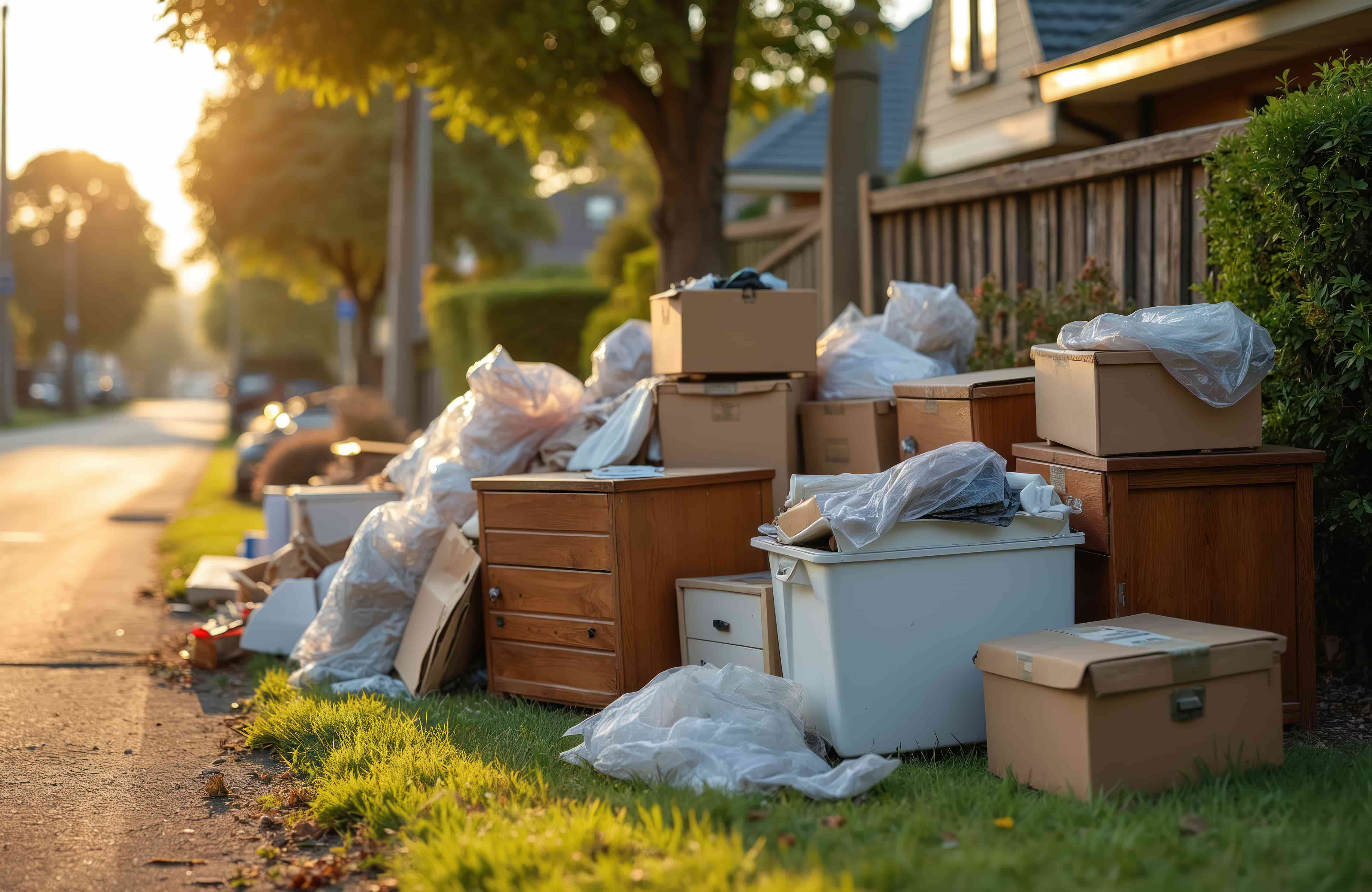
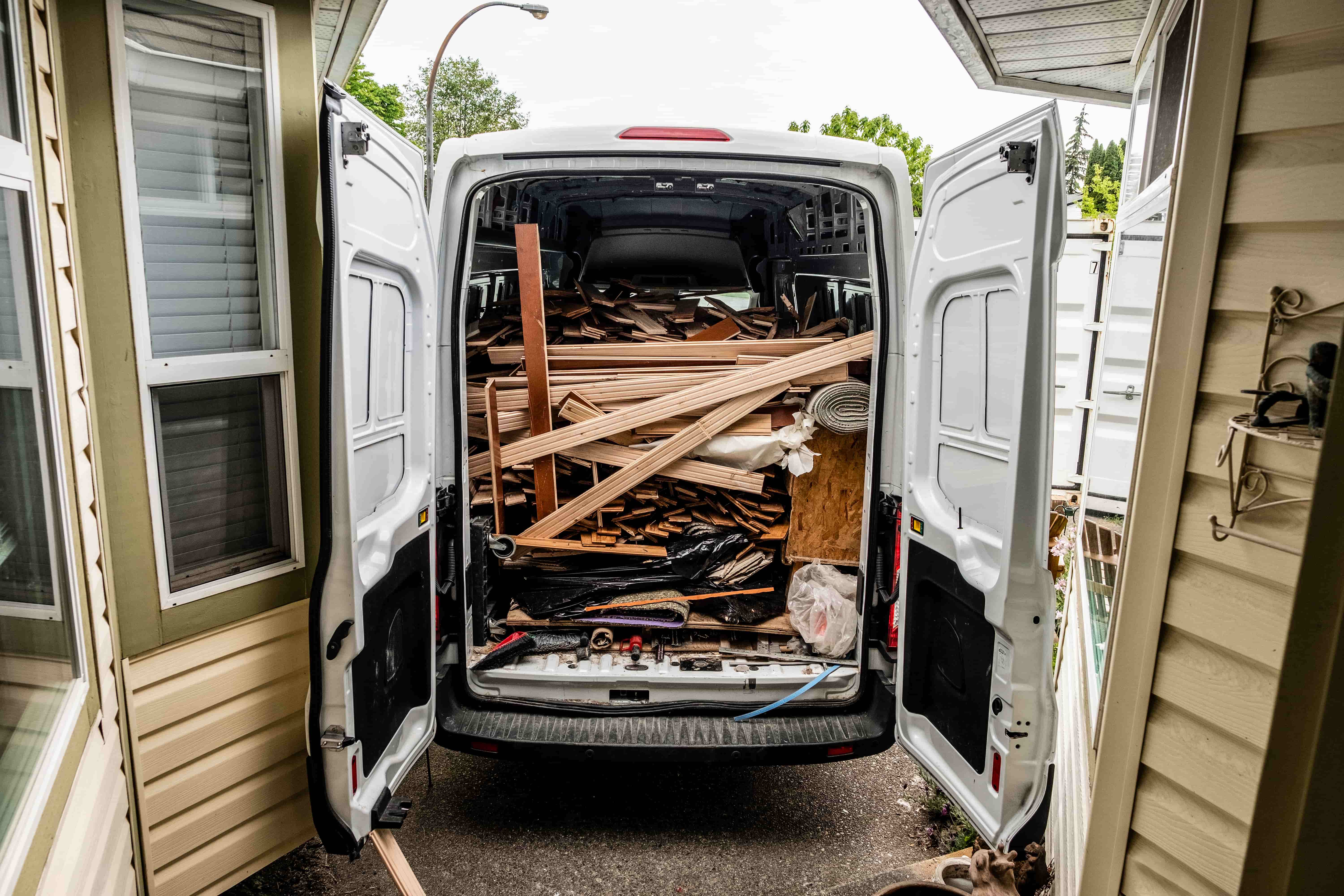
A standard rubbish removal van in London can typically carry between 3.5 cubic metres (a small van) and 14 cubic metres (a large Luton-style van). Most providers price by fraction of a van load — from a minimum load (around £60–£100) up to a full van load (£250–£450+), depending on waste type, volume, and location within London.
Introduction: Why Getting Load Size Right Saves You Money
If you've ever tried to book a rubbish removal service in London and felt confused about "van loads," "cubic metres," and tiered pricing, you're not alone. It's one of the most common points of uncertainty for London homeowners, landlords, and businesses trying to clear waste efficiently and affordably.
Understanding how much a rubbish removal van can actually take — and how that translates into pricing — is the difference between overpaying for space you don't use and booking a van that's too small for your clear-out.
This guide breaks it all down clearly, so you can book with confidence and get genuine value from your waste removal in London.
Who This Guide Helps (Search Intent Match)
- Homeowners planning room, loft, garage, or full property clearances
- Landlords and agents preparing end-of-tenancy clean-outs
- Businesses booking office and site clearances in London
- Renovation projects comparing builders waste loads vs. skip alternatives
If your goal is to book the right service on the first visit, this guide is designed to answer the exact pricing and capacity questions people search for before booking.
What Is a "Van Load" in Rubbish Removal?
A van load is the industry-standard unit of measurement used by rubbish removal companies to calculate how much waste they're collecting and, consequently, how much they charge.
Rather than weighing your waste on the spot (which most street-level removal companies don't do), providers assess the volume of rubbish — measured in cubic metres (m³) — that your items will occupy in the back of the van.
How Van Load Fractions Work
Most reputable London rubbish removal companies divide a full van into fractions:
- Minimum load / Quarter load — up to about 1.5–2 m³
- Half load — approximately 3–4 m³
- Three-quarter load — approximately 5–7 m³
- Full load — approximately 9–14 m³ (depending on van size)
This tiered model allows you to only pay for the space your waste actually fills, rather than a flat full-van price regardless of volume.
Quick Definitions (AEO-Friendly)
- Cubic metre (m3): A volume unit used to estimate how much space your rubbish takes in a van.
- Minimum load: The smallest chargeable collection tier, often used for a few bags or one bulky item.
- Full load: The maximum usable van volume for a standard collection vehicle.
- Wait and load: A rapid alternative where waste is loaded immediately without leaving a skip on site.
Van Sizes Used in London Rubbish Removal
Different removal companies use different vehicle types. Here's a breakdown of the most common vans you'll encounter when booking waste collection in London:
| Van Type | Estimated Load Capacity | Typical Use Case |
|---|---|---|
| Transit / Short Wheelbase Van | 3–5 m³ | Small house clearances, single room, garden waste |
| Long Wheelbase Transit Van | 5–8 m³ | Medium clear-outs, small office clearances |
| Luton Box Van | 10–14 m³ | Full house clearances, large commercial waste |
| Tipper Truck / Flat Bed | 8–16 m³+ | Heavy construction waste, bulky items, soil |
Why Van Size Matters for Your Quote
When comparing quotes from different London rubbish removal companies, always ask what vehicle type they're quoting for. A "full van load" from a Transit is roughly half the volume of a full Luton van — so the price comparison isn't straightforward unless you're comparing like-for-like.
With a man and van rubbish removal service in London, quotes should be transparent and based on clearly defined load sizes, so you know exactly what you're getting.
How Much Does a London Rubbish Removal Van Hold? Volume Guide
To help you visualise different load sizes, here are some practical examples of what each fraction typically accommodates:
Quarter Load (1–2 m³)
- 3–5 bin bags of general waste
- A small bathroom clearance
- A single piece of large furniture (e.g., a sofa)
- A small quantity of garden waste
Half Load (3–4 m³)
- 8–12 bin bags of general rubbish
- A garden shed clearance
- A bedroom worth of old furniture
- White goods (washing machine, fridge, dishwasher)
Three-Quarter Load (5–7 m³)
- A full kitchen or living room clearance
- Medium office clear-out
- Mixed waste from a flat renovation
- Multiple appliances and furniture
Full Van Load (9–14 m³)
- Full house clearance (2–3 bed property)
- Large commercial or office clear-out
- Post-renovation builders' waste
- Estate clearance or large garden overhaul
Rubbish Removal Pricing in London: What to Expect
Pricing for rubbish removal in London is influenced by several factors beyond just volume. Here's a transparent breakdown:
Average Rubbish Removal Costs in London (2025–2026)
| Load Size | Estimated Price Range |
|---|---|
| Minimum / Single Item | £60 – £100 |
| Quarter Load | £90 – £150 |
| Half Load | £150 – £220 |
| Three-Quarter Load | £200 – £320 |
| Full Van Load | £280 – £450+ |
Note: Prices vary by postcode, waste type, access difficulty, and whether same-day collection is required. Central London postcodes (EC, WC, W1, SW1) may carry a slight premium due to parking and congestion logistics.
Factors That Affect the Final Price
1. Waste Type General household waste is the most affordable to dispose of. Specialist or hazardous waste — including asbestos, fridges (which require specialist gas handling), or electronic waste (WEEE) — costs more due to disposal regulations.
2. Access and Location Ground floor access with a clear path to the van is quickest. Upper floor flats without a lift, cluttered properties, or locations requiring special parking permits in London will typically incur a small additional labour charge.
3. Weight vs. Volume For dense, heavy waste (soil, rubble, tiles, concrete), weight becomes a factor. Skips and tipper lorries typically charge by tonne for this waste type. If you are clearing renovation debris, booking a dedicated building waste clearance service is often the most cost-effective method.
4. Same-Day or Emergency Collection Many providers offer same-day rubbish removal in London, which is ideal for urgent situations — but may carry a premium of £20–£50 over standard booking.
5. Recycling and Landfill Diversion Licensed and responsible waste carriers who prioritise recycling (as required by UK waste carrier regulations) invest in proper waste processing. This is reflected in pricing but is worth paying for — unlicensed "man with a van" operators may fly-tip your waste, leaving you liable under the Environmental Protection Act 1990.
London Price Accuracy Checklist Before You Book
- Ask whether your quote is based on actual loaded volume or a fixed estimate.
- Confirm if VAT, labour, and disposal are included.
- Declare heavy materials (soil, rubble, tiles) before collection day.
- Check for access constraints (stairs, permits, restricted parking bays).
- Request written confirmation of any surcharge conditions.
Skip vs. Rubbish Removal Van in London: Which Is Better?
A common question from London residents is whether to hire a skip or book a rubbish removal van. Both have merits depending on your situation.
| Factor | Skip Hire | Rubbish Removal Van |
|---|---|---|
| Permit required (street placement) | Usually yes (council permit) | No |
| Flexibility of timing | You fill it at your pace | Booked collection slot |
| Same-day clearance | Rarely | Often available |
| Ideal for | Long renovations, large volumes | Single-day clear-outs |
| Labour included | No (you load it) | Yes (team loads for you) |
| Restrictions on waste | Some (no hazardous items) | Fewer restrictions |
| Inner London suitability | Limited (parking/permits) | High |
For most London residential and commercial clear-outs, a rubbish removal van is the more practical and flexible option — particularly in dense urban areas where skip permits are difficult to obtain or where a project needs to be completed in one day.
Borough Logistics That Commonly Affect Booking
In denser boroughs such as Westminster, Camden, Islington, Southwark, and Tower Hamlets, fast loading windows and parking constraints often make van-based rubbish removal more efficient than traditional skip placement.
How to Estimate Your Load Size Before Booking
You don't need to be a waste management expert to estimate your load. Follow these steps:
Step-by-Step Load Estimation Guide
- Walk through the space and identify all items to be removed.
- Group items into categories: furniture, bags of waste, appliances, garden waste, etc.
- Count bin bags (a standard 90-litre bin bag = roughly 0.09 m³). Ten filled bags ≈ approximately 1 m³.
- Measure large items where possible (length × width × height in metres = volume in m³).
- Add a buffer — most people underestimate volume by 20–30%. It's better to book a half load and confirm on the day than to discover you need a larger van.
- Take photos and send them to your provider. Reputable companies can give you an accurate quote from images before they arrive.
Pro Tip: Most professional rubbish removal teams in London will assess your waste on arrival and confirm the load size before beginning work. You should never be charged for more space than your waste actually occupies in the van.
What Can and Can't Go in a Rubbish Removal Van?
Accepted Waste Types (General)
- Household furniture (sofas, beds, wardrobes, tables)
- White goods and appliances (with appropriate handling)
- Garden waste (grass, soil, branches — check weight limits; dedicated garden clearance services can be better value for larger outdoor jobs)
- General household rubbish and bin bags
- Cardboard, paper, and packaging
- Mattresses (often with an additional charge)
- Office equipment and furniture
- Light construction waste (small quantities)
Items Requiring Special Handling or Additional Charges
- Fridges and freezers — must be degassed under F-Gas regulations; typically an extra £20–£40
- Mattresses — specialist recycling required; often £15–£30 extra
- Tyres — classified as controlled waste
- Electrical items (WEEE) — must be separately recorded and responsibly recycled
- Asbestos — must be handled by licensed contractors only (not standard rubbish removal)
- Clinical or medical waste — specialist disposal required
- Paint (liquid) — hazardous waste
Always disclose the contents of your collection when booking. A trustworthy rubbish removal company in London will advise you on any surcharges upfront — not on arrival.
Why Using a Licensed Waste Carrier Matters in London
Under the Environmental Protection Act 1990 and Duty of Care regulations, anyone who produces, carries, or disposes of waste in the UK has a legal responsibility for how that waste is handled.
If you hire an unlicensed waste carrier who fly-tips your waste, you could be held jointly liable — even if you paid someone else to remove it.
Always verify that your rubbish removal company:
- Holds a Waste Carrier Licence issued by the Environment Agency
- Can provide a Waste Transfer Note for your records
- Has evidence of responsible recycling or waste processing partnerships
Waste Removal London is a fully licensed waste carrier operating throughout London, committed to maximising recycling and diverting waste from landfill wherever possible.
Key Takeaways
- A rubbish removal van in London holds between 3.5 and 14 cubic metres, depending on vehicle type.
- Pricing is based on load fractions, ranging from approximately £60 for a minimum load to £450+ for a full van load.
- Factors including waste type, access, weight, and location all influence final pricing.
- For most London clear-outs, a rubbish removal van is more practical than skip hire, especially in inner London.
- Always use a licensed waste carrier to protect yourself legally and ensure responsible disposal.
- Send photos to get accurate quotes before booking.
Frequently Asked Questions (FAQ)
How much waste can a London rubbish removal van take in cubic metres?
A London rubbish removal van usually takes between 3.5 m3 and 14 m3, depending on whether the provider sends a smaller Transit-style vehicle or a larger Luton van. Most bookings are charged by quarter, half, three-quarter, or full load.
How do rubbish removal companies measure a van load?
Van loads are measured by volume in cubic metres (m³). The removal team visually assesses how much space your waste will occupy in the back of their vehicle. Most companies divide a full van into fractions (quarter, half, three-quarter, full) and charge accordingly.
What is the average cost of rubbish removal in London?
A half van load in London typically costs between £150 and £220. A full van load ranges from £280 to £450 or more, depending on waste type, location, and the company's vehicle size. Always request a clear, itemised quote before booking.
Can I get same-day rubbish removal in London?
Yes. Many rubbish removal companies in London offer same-day or next-day collection. This is one of the key advantages of van-based removal over skip hire. A dedicated same-day rubbish removal service is ideal when you need urgent collections.
Is a rubbish removal van better than a skip in London?
For most residential and single-day commercial clear-outs in London, a rubbish removal van is more practical. You don't need a council skip permit, the team does all the loading, and the service can often be booked on short notice. Skips are better suited for longer projects where waste accumulates over days or weeks.
What happens to the waste after collection?
A reputable, licensed rubbish removal company in London will transport your waste to a registered waste transfer station or recycling facility. Items such as metals, wood, cardboard, and electronics are sorted for recycling. The goal of responsible providers is to minimise landfill waste in line with UK environmental targets.
Do rubbish removal companies in London charge extra for heavy items?
Dense, heavy waste such as soil, rubble, or concrete may incur additional charges because it affects vehicle weight limits and disposal costs. Always disclose heavy materials when requesting a quote. For large quantities of construction or demolition waste, a tipper truck may be recommended.
What should I do before the rubbish removal team arrives?
Group items together in an accessible area (ideally on the ground floor or near the main entrance). Remove any items you want to keep from the collection area. Secure parking near your property if possible. Have photos ready if you haven't already sent them for your quote. This helps the team work efficiently and keeps your costs accurate.
Ready to Book Your London Rubbish Removal?
Whether you're clearing a single room or booking a full house clearance service, transparent pricing and proper licensing should always be non-negotiable. Our licensed team serves all London boroughs, with same-day availability and a commitment to responsible recycling.
Get a free, no-obligation quote today — send us a photo of your waste and we'll give you an accurate price within minutes.
👉 Request a Free Quote
Waste Removal London is a licensed waste carrier registered with the Environment Agency. We operate across all London boroughs including Westminster, Camden, Southwark, Tower Hamlets, Hackney, Lambeth, Lewisham, Greenwich, Islington, Wandsworth, and beyond.