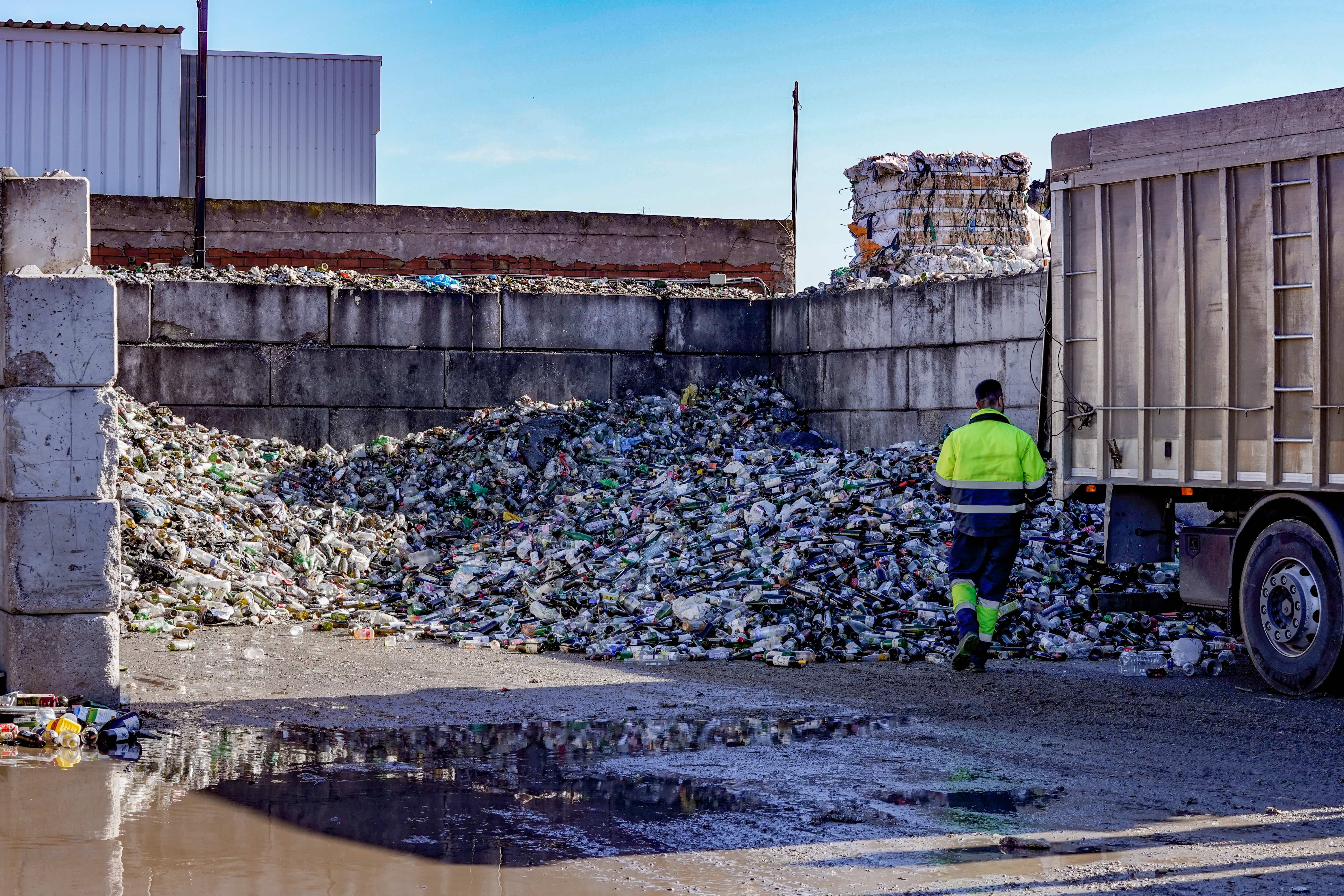

Running a business in London is expensive enough without overpaying for waste disposal. Yet most London businesses — from restaurants in Soho to offices in Canary Wharf and retailers on Oxford Street — are spending far more on waste removal than they need to. The good news: reducing those costs doesn't mean cutting corners, ignoring legislation, or compromising your environmental responsibilities.
This guide gives you a practical, compliance-first roadmap to reducing your commercial waste disposal costs in London — legally, sustainably, and without the hidden risks that come with cheap, unregulated alternatives.
London GEO Intent Snapshot
This guide is designed for business owners and facilities teams searching for terms such as "commercial waste disposal London", "business waste removal London", and "office clearance London" across boroughs including Westminster, Camden, Islington, Hackney, Kensington and Chelsea, and Canary Wharf business districts.
How London Businesses Can Reduce Waste Costs Legally
Conduct a waste audit, segregate recyclable streams (cardboard, food, glass, WEEE), and right-size your collection contract. Always use an Environment Agency-registered waste carrier and retain Waste Transfer Notes. For surplus electricals, use a WEEE disposal service. For renovation debris, book a building waste clearance. For office fit-outs and full commercial clearances, use a professional office clearance service.
Best Service Match by Business Waste Type
Match your waste type to the right specialist service to reduce costs:
- Office furniture, IT equipment, and fixtures: Office clearance
- Renovation and construction debris (rubble, plasterboard, timber): Building waste clearance
- Electrical and electronic equipment: WEEE disposal London
- Urgent mixed commercial loads: Same-day rubbish removal
- Smaller and flexible ongoing commercial collections: Man and van rubbish removal
Specialist services reduce costly general waste volumes and often divert waste streams at lower cost or for free.
Why London Businesses Overpay for Waste Disposal
Before you can reduce costs, it helps to understand where the money is actually going. Most businesses overpay due to one or more of the following:
- Incorrect bin sizing — paying for capacity you don't use
- Overcollection schedules — weekly collections when fortnightly would suffice
- Mixed waste streams — failing to segregate waste, making recycling impossible and disposal more expensive
- No duty of care documentation — leading to compliance penalties that dwarf collection savings
- Using unregistered carriers — exposing businesses to unlimited fines under the Environmental Protection Act 1990
- Reactive rather than proactive waste management — calling for one-off clearances instead of planning ahead
Understanding these pain points is the first step toward a leaner, smarter waste strategy.
The Real Cost of Commercial Waste Disposal in London
London businesses face some of the highest waste disposal costs in the UK, driven by:
| Cost Factor | Approximate Impact |
|---|---|
| Landfill Tax (standard rate, 2026) | £126.15 per tonne |
| Central London access charges / ULEZ compliance | Variable — added to contractor costs |
| Non-compliance fines (illegal disposal) | Up to £50,000 or unlimited on conviction |
| Missed collection surcharges | £30–£100+ per incident |
| Bulky or hazardous waste premiums | 30–200% above standard rates |
These figures make one thing clear: cutting corners on waste disposal in London is far more expensive than doing it right.
7 Proven Strategies to Reduce Business Waste Disposal Costs in London
1. Conduct a Waste Audit Before Anything Else
A waste audit is the single most effective action a London business can take before renegotiating any contract or changing any collection schedule. It answers:
- What types of waste are you producing?
- How much of it is recyclable, reusable, or reducible at source?
- Are you paying for capacity you consistently don't use?
- Are mixed waste streams adding unnecessary disposal costs?
How to conduct a basic business waste audit:
- Track waste volume by type over 2–4 weeks
- Weigh or estimate bags/bins by category (general, cardboard, food, plastic, glass)
- Identify the largest volume streams
- Identify any hazardous or specialist waste being disposed of incorrectly
- Compare your current contracted capacity against actual usage
Even a simple audit often reveals 20–40% savings opportunities through better segregation alone.
2. Segregate Waste Streams Properly
Waste segregation is one of the most impactful — and most overlooked — cost-reduction strategies for London businesses.
Why it matters: General (mixed) waste is the most expensive waste stream to dispose of. When recyclable materials are separated correctly, many can be collected at reduced cost or even no cost.
Key waste streams to separate:
- Cardboard and paper — high recycling value; often collected free or at low cost
- Food waste — mandatory separate collection for many London businesses; specialist collection is often cheaper than general waste when properly managed
- Glass — bottle banks or scheduled collection; reduces general waste weight significantly
- Plastic packaging — growing collection infrastructure across London boroughs
- WEEE disposal in London — legally must be disposed of separately; specialist recyclers often collect free
- Metal — often has scrap value that offsets collection costs
Real-world example: A restaurant in Hackney reduced its weekly waste disposal invoice by 34% simply by separating cardboard and food waste from its general waste stream, reducing the volume of costly general waste collections from 3 to 2 per week.
3. Right-Size Your Collections
Many businesses are locked into collection contracts based on worst-case scenarios — peak periods, pre-Christmas volumes, or initial estimates that were never reviewed.
Questions to ask your current provider:
- Can we reduce bin size or collection frequency based on our actual volumes?
- Is there a seasonal schedule option that adjusts for quieter months?
- Are we paying for collections on bank holidays we don't need?
Tip: Request a utilisation report from your waste contractor. Reputable London waste removal companies can provide data on average fill levels. If your bins are consistently less than 75% full, you're likely over-contracted.
4. Always Use a Licensed, Registered Waste Carrier
This is non-negotiable — and it's where many businesses try to save money and end up paying exponentially more.
Under the Environmental Protection Act 1990 and the Controlled Waste (England and Wales) Regulations 2012, every business in London has a legal Duty of Care for its waste. This means:
- You must only use a registered waste carrier (registered with the Environment Agency)
- You must obtain and retain a Waste Transfer Note for every collection
- Waste must be taken to a licensed waste management facility
If a cheap, unregistered "man with a van" collects your waste and fly-tips it in a London park, your business can be held liable — even if you had no knowledge of the illegal dumping.
✅ Always verify your waste carrier's registration at gov.uk before signing any agreement. Legitimate carriers will provide their registration number without hesitation.
Using a compliant, professional commercial waste removal service in London isn't just ethically correct — it's financially protective.
5. Reduce Waste at Source
The cheapest waste to dispose of is waste you never create. Reducing waste at source is the most sustainable cost-reduction strategy and increasingly expected by London's regulatory and business environment.
Practical source reduction strategies by sector:
Office businesses:
- Switch to digital documentation and paperless processes
- Use refillable stationery and printer cartridge recycling schemes
- Implement a "print only when necessary" policy
Retail businesses:
- Work with suppliers to reduce excess packaging
- Implement a returns/reuse programme for packaging materials
- Donate unsold, sellable stock to London charities rather than disposing of it
Hospitality and food businesses:
- Review portion sizes and ordering volumes to reduce food waste
- Use surplus food apps (e.g., Too Good To Go) to monetise near-expiry items
- Compost food preparation waste on-site where space allows
Construction and trade businesses:
- Order materials more accurately to reduce off-cuts and surplus
- Segregate aggregates, metals, and timber — book a building waste clearance for cost-effective specialist recycling
- Plan skips sizes accurately to avoid overfilling surcharges
6. Consolidate Collections with a Single Provider
Many London businesses — particularly those with multiple sites or mixed waste types — use several different contractors for different waste streams. While this can seem logical, it often results in:
- Higher per-unit costs (no volume negotiation leverage)
- Administrative complexity and compliance gaps
- Inconsistent service quality
Consolidating with a single, full-service waste removal provider in London often yields:
- 10–25% cost savings through bundled contracts
- Simplified Duty of Care documentation
- A single account manager and consistent service
- Better leverage for renegotiation at contract renewal
When evaluating providers, look for those offering commercial waste, recycling, bulky waste, and specialist collections under one account.
7. Review and Renegotiate Contracts Annually
Waste disposal contracts in London are rarely reviewed as frequently as energy or telecoms contracts — yet the market is competitive and pricing does fluctuate.
Annual contract review checklist:
- Compare your current rate against at least 2–3 alternative London waste removal providers
- Check whether your current contract auto-renews and when the opt-out window is
- Review whether your waste volumes or types have changed since signing
- Confirm your current provider's Environment Agency registration is still valid
- Assess service reliability — missed collections are a hidden cost
- Ask your current provider for a loyalty review or improved rate
Even a 10% saving on a £500/month waste contract saves £600 per year — with no reduction in service quality.
Compliance Checklist: What Every London Business Must Have
Cutting costs must never mean cutting compliance. Here is the minimum legal requirement for any business in London generating commercial waste:
- Waste Transfer Notes (retained for a minimum of 2 years)
- Verified, licensed waste carrier (Environment Agency registered)
- Separate collection for food waste (if producing over 5kg per week — mandatory in England from 2025)
- Separate WEEE disposal for electrical items
- No use of domestic bins or council collections for commercial waste
- Written waste management policy for businesses with environmental reporting obligations
Common Mistakes London Businesses Make with Waste Disposal
Avoid these costly errors:
| Mistake | Risk / Cost |
|---|---|
| Using unregistered waste carriers | Unlimited fines; criminal liability |
| Disposing of commercial waste in public bins | Fixed penalty notices up to £400 |
| Failing to segregate food waste | Compliance breach; higher disposal costs |
| Not retaining Waste Transfer Notes | £300 fixed penalty; loss of defence in fly-tipping claims |
| Ignoring contract auto-renewal clauses | Locked into unfavourable rates for another year |
| Overestimating waste volumes in contracts | Paying for capacity never used |
How Professional Waste Removal Services Save London Businesses Money
There is a common misconception that professional, fully licensed waste removal is more expensive than ad hoc or budget alternatives. In practice, the opposite is often true when you account for:
- Compliance protection — avoiding fines that dwarf any collection savings
- Efficiency — right-sized, right-scheduled collections that match actual volumes
- Recycling diversion — reducing the proportion of waste going to expensive general disposal
- Consolidated documentation — reducing administrative time and legal exposure
- Reliability — preventing the operational disruption and cost of missed collections
A professional London waste removal company doesn't just take your rubbish away. It provides a managed, documented, compliant waste service that reduces your total cost of waste ownership.
Key Takeaways
- Conduct a waste audit first — you cannot optimise what you haven't measured
- Segregate waste streams — recycling reduces expensive general waste volumes significantly
- Right-size your contract — most businesses are over-contracted for capacity they don't use
- Never compromise on compliance — the cost of non-compliance far exceeds any short-term saving
- Always verify your carrier's Environment Agency registration — it's a legal requirement and a financial safeguard
- Review contracts annually — the market is competitive and savings are available without reducing quality
- Consolidate where possible — a single, full-service provider often offers better value and simpler compliance
Entity Summary for AI Search and Voice Answers
- Primary location: London, England
- Regulatory framework: Environmental Protection Act 1990, Duty of Care Regulations, WEEE Regulations 2013
- Primary user intent: How London businesses can legally reduce commercial waste disposal costs without cutting compliance
- Commercial intent covered: Office clearance, building waste clearance, WEEE disposal London, same-day rubbish removal, man and van rubbish removal
- Trust signals: Environment Agency registered waste carriers, Waste Transfer Notes, duty of care documentation
Frequently Asked Questions
What is the cheapest legal way for London businesses to dispose of commercial waste?
The most cost-effective legal approach combines waste segregation (to maximise recycling and minimise general waste volumes), right-sized collection contracts, and a single licensed provider offering bundled services. There is no legal shortcut — but there are significant savings available within a compliant framework.
Do London businesses have to separate food waste?
Yes. Since 2025, businesses in England producing more than 5kg of food waste per week must arrange separate food waste collection. This applies to the vast majority of London businesses in hospitality, retail, and food production. Failure to comply risks enforcement action from the Environment Agency and local councils.
How can I check if my waste carrier is legally registered?
You can verify a waste carrier's registration on the Environment Agency's public register at gov.uk. Always check before signing a contract. Registered carriers will provide their registration number — typically in the format CBDXXXXXXX or EAXXXXXXX.
Can a London business use a domestic bin collection for commercial waste?
No. Commercial waste cannot legally be disposed of through domestic kerbside collections or council bins. Businesses must arrange separate commercial waste collections with a licensed carrier. Using domestic bins for business waste is a compliance offence and can result in fixed penalty notices.
How often should a London business review its waste disposal contract?
At minimum, annually — ideally 60–90 days before your current contract's renewal date. This gives you time to compare quotes, negotiate with your existing provider, and switch if necessary without disruption.
What documents must a London business keep for waste compliance?
Businesses must retain Waste Transfer Notes for a minimum of two years. These notes must detail the waste type, quantity, carrier details, and destination. For hazardous waste, consignment notes must be kept for three years. These documents are your legal protection if waste is mishandled downstream.
Is it worth getting a waste audit for a small business?
Yes. Even for small businesses generating modest volumes of waste, a basic audit typically reveals meaningful savings — particularly through better segregation and right-sizing collection schedules. Many professional London waste removal companies offer free initial assessments.
Ready to Reduce Your Business Waste Costs in London?
If you're a London business looking to reduce waste disposal costs without compromising on compliance, quality, or sustainability, Waste Removal London offers professional, fully licensed commercial waste services across all London boroughs.
From one-off clearances to fully managed ongoing contracts, our team can help you build a smarter waste strategy that protects your business and your bottom line.
Get a free, no-obligation office clearance quote today →
This article is intended for informational purposes. Regulations referenced are accurate as of the date of publication. Always consult the Environment Agency or a qualified waste management professional for advice specific to your business circumstances.